
Katarina Railko is a distinguished hospitality expert who has carved a prominent niche for herself within the travel, tourism, and high-end events industries. With a career defined by an affinity for large-scale expos and international conferences, she possesses a keen eye for how leadership transitions influence brand identity and guest loyalty. Her insights are particularly valuable when discussing the evolution of wellness-led hospitality and the strategic maneuvers of global brands like Marriott International in competitive markets.
The following discussion examines the recent leadership shift at a premier destination in the Baa Atoll, exploring how extensive regional experience shapes resort operations. We delve into the integration of wellness philosophies within ecologically sensitive environments and the importance of brand consistency across different geographical landscapes. The conversation also highlights the growing demand for restorative travel and how seasoned executives balance commercial performance with the delivery of meaningful, human-centric guest experiences.
How does a leader with over two decades of experience across diverse markets like India and the Middle East adapt their operational strategy when moving to a highly specialized, wellness-centric resort in the Maldives?
Transitioning to a UNESCO Biosphere Reserve requires a profound shift in mindset, moving from the fast-paced commercial hubs of Dubai or Goa to the restorative rhythms of the Baa Atoll. With more than 20 years of hospitality experience, Harish Gopalakrishnan understands that operational excellence in such a remote setting is about harmony rather than just efficiency. He brings a wealth of knowledge from senior roles at prominent Marriott International properties, where he learned to balance high-stakes guest expectations with localized cultural nuances. This move to the Maldives marks his second leadership role within the Westin brand, providing him with a unique advantage in implementing a wellness strategy that feels authentic to the island’s naturally restorative environment. The strategy here isn’t just about managing a hotel; it is about protecting a sanctuary while ensuring the business thrives on the brand’s core promise of holistic health.
Given your background in luxury properties like the Grosvenor House in Dubai and The Westin Goa, how do you translate the concept of “well-being” into tangible guest experiences in a destination as competitive as the Maldives?
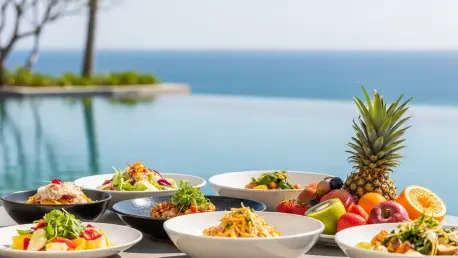
The translation of well-being into a physical experience starts with the Westin brand’s pillars: moving, eating, and sleeping well. In a luxury resort setting, this manifests as nourishing culinary programs and sleep-enhancing amenities that allow guests to physically feel the difference during their stay. Having led a diverse portfolio, including the Tribute Portfolio’s Port Muziris and Courtyard by Marriott Kochi Airport, the focus shifts toward creating intentional routines that help guests reconnect with nature. The Maldives offers a sensory backdrop that is inherently healing, but it takes a seasoned leader to ensure the brand programming—like active living initiatives and mindful routines—is seamlessly woven into the stay. By focusing on genuine human connection, the resort can transcend the standard “sun and sand” holiday to become a transformative journey for the traveler.
What role does team empowerment play in maintaining high guest satisfaction scores and driving commercial performance in a remote, island-based luxury resort?
In remote island hospitality, the staff is the heartbeat of the guest experience, and empowerment is the fuel that keeps that heart beating. A leadership approach rooted in empowerment ensures that every team member feels a personal commitment to the resort’s overall strategy and growth. When employees are encouraged to take ownership of the guest journey, they create the “meaningful experiences” that characterize high-end service culture. This internal strength directly influences commercial performance because satisfied guests who feel a connection to the staff are far more likely to become brand advocates. By fostering a culture of mindful leadership, the management team ensures that the resort’s positioning as a leading wellbeing destination is upheld by every interaction, from the front desk to the dive center.
How do senior appointments like this reflect the broader trends we are seeing in global hospitality, such as those at the Red Sea or in Langkawi, regarding destination-led experiences?
The trend across the industry, from the opening of Six Senses AMAALA to the repositioning of Autograph Collection hotels in Sardinia, is a move toward place-led luxury that prioritizes sustainability and local identity. Senior appointments are now being made with an eye for leaders who can handle complex environmental contexts while strengthening international brand positioning. In the Maldives, this means leveraging the UNESCO Biosphere Reserve status to offer immersive island experiences that cannot be replicated elsewhere. As we see in Langkawi or the Red Sea, the goal is to create a sense of connection to the surrounding destination that feels both exclusive and restorative. This strategic focus on holistic wellness and local integration is what allows a resort to stand out in a saturated global market.
What is your forecast for wellness-led hospitality in destination resorts?
The future of destination resorts lies in the total integration of health and travel, where wellness is no longer a secondary amenity but the primary reason for the journey. I anticipate that we will see more properties adopting the “intentional living” model, where every aspect of the stay—from the architectural design to the daily schedules—is built around restorative routines and active living. Brands that can successfully combine luxury with a deep commitment to the environment, much like what is being established in the Baa Atoll, will lead the market in guest loyalty. As travelers become more discerning about their impact on the world and themselves, the resorts that offer a genuine path to reconnection will be the ones that define the next decade of luxury travel.