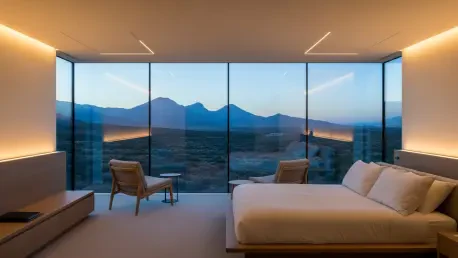

The global travel landscape has undergone a radical transformation where the primary objective of a journey is no longer the collection of passport stamps but the intentional cultivation of physical and mental resilience. Yoga and holistic health have migrated from specialized niches to the absolute center of the tourism ecosystem, reflecting a profound shift in how individuals perceive the value of their time away from home. This evolution is largely fueled by a societal obsession with healthy aging and the pursuit of cognitive longevity, positioning yoga as a foundational tool for maintaining emotional equilibrium throughout a lifetime. Leading hotels and international resorts have abandoned the model of treating wellness as an optional secondary service, instead embedding these principles into the core architectural and operational philosophy of their properties. As travelers increasingly reject the exhausting pace of traditional sightseeing, they are gravitating toward immersive experiences designed to facilitate internal peace and measurable personal growth. This shift has forced the hospitality sector to rethink every touchpoint of the guest journey, from the specific acoustic design of meditation halls to the bio-available nutritional profiles of curated menus. Consequently, the modern vacation has become a deliberate act of restoration, where the rhythm of the stay is dictated by the needs of the nervous system rather than the demands of a hectic itinerary.
The Intersection of Geography and Mindful Practice
The industry has transitioned from standardized indoor studios to a sophisticated model of place-shaping practices, where the specific characteristics of a natural environment are leveraged as active components of the healing process. In this context, the local geography does not merely serve as a backdrop but dictates the very methodology and impact of the wellness protocols employed at a destination. Whether it is the thin, invigorating air of high-altitude mountain ranges or the grounding, humid energy of an ancient forest, the environment is now treated as the primary instructor. Resort planners are increasingly collaborating with environmental psychologists to ensure that every outdoor space facilitates a deep neurological connection between the practitioner and the earth. This trend reflects a broader understanding that human physiology responds differently to varied climates, and thus, a yoga session in a coastal salt-spray environment offers distinct therapeutic benefits compared to one held in a desert sanctuary. By aligning movement with these natural variables, the travel sector has managed to create a more authentic and localized form of wellness that cannot be replicated in a standard metropolitan gym. This geographical specificity adds a layer of exclusivity and purpose to the travel experience, encouraging guests to engage more deeply with the unique biological properties of their chosen location.
Resort directors are increasingly viewing nature as the primary healer, with the hotel acting as a curated guide designed to help guests access this inherent vitality through structured environmental immersion. By slowing down the tempo of the guest experience to match the pace of the natural world, properties encourage individuals to breathe deeper and move with a sense of deliberate, mindful purpose. This approach focuses on a return to radical simplicity, using the availability of clean air and quiet mornings to help travelers feel physically lighter and mentally clear. The emphasis is on removing the noise of modern life rather than adding more digital distractions, allowing the sounds of the local ecosystem to lead the meditative process. Such environments are meticulously designed to reduce sensory overload, fostering a state of soft fascination where the mind can recover from the fatigue of constant attention. As a result, the physical structures of these resorts often feature open-air pavilions and transition zones that blur the line between the built environment and the surrounding wilderness. This seamless integration ensures that the benefits of a wellness retreat are not confined to a single session but are felt continuously throughout the day. By prioritizing this connection to the elements, the hospitality industry is providing a necessary antidote to the urban confinement that characterizes much of contemporary life.
Redefining High-End Hospitality through Stillness
In this current era, the definition of luxury has changed significantly, moving away from material excess and toward what industry experts now call the luxury of pause. High-end travel is increasingly defined by the opportunity to be completely still, to disconnect from the relentless pressure of digital connectivity, and to reconnect with one’s own internal rhythm. This less is more approach prioritizes silence and expansive space for reflection, making these the most valuable amenities a modern hotel can possibly offer. No longer are gold-leaf fixtures or extravagant buffets the markers of a premier stay; instead, it is the quality of the silence and the privacy of the retreat that command the highest premiums. Travelers are seeking out environments that grant them permission to do nothing, recognizing that true rejuvenation requires a complete cessation of the always-on mentality. This shift in values has led to the development of dark-sky resorts and silent retreats where the absence of artificial stimulation is the primary attraction. By cultivating an atmosphere of deep tranquility, these properties address the growing global crisis of burnout and chronic stress. The luxury of the modern age is found in the ability to regain control over one’s own attention, away from the algorithms and notifications that dominate daily existence.
Wellness has also expanded far beyond the traditional spa menu to become a multi-sensory experience that begins the moment a guest completes the initial check-in process. Guests now expect a holistic approach that integrates advanced therapies such as sound healing, cryotherapy, and forest bathing alongside their foundational yoga practice. The goal is to provide a total mental and physical recharge that stays with the traveler long after they have returned to their professional and personal responsibilities. This comprehensive strategy often involves scent-mapping throughout the property to induce relaxation and the use of specific acoustic frequencies to enhance sleep quality in guest rooms. Every sense is intentionally engaged to move the body from a state of high-alert sympathetic dominance to a restorative parasympathetic state. Resorts are now employing specialized wellness concierges who customize these sensory experiences based on the specific stress profiles and health goals of each individual guest. This level of personalization ensures that the wellness journey is not a one-size-fits-all solution but a targeted intervention designed to optimize human performance and well-being. The result is a travel experience that functions as a therapeutic reset, providing guests with the tools and the mental clarity needed to navigate a complex world with renewed vigor.
Embedding Longevity into the Architectural Narrative
Leading resorts are now utilizing spiritual contemplation and local cultural heritage to create deep, meaningful experiences that resonate on a level beyond mere physical exercise. Many locations have incorporated traditional prayer pavilions or ancient pilgrimage routes into their fitness programming, blending historical narrative with physical movement. These programs focus on the concept of presence rather than physical performance, ensuring that health and happiness are linked through both physical poses and cultural rituals. By engaging with the local traditions of a region, travelers find a sense of belonging and purpose that enhances the psychological benefits of their wellness practice. This integration of local wisdom provides a narrative framework for the stay, transforming a simple vacation into a rite of passage or a journey of self-discovery. The architecture itself often reflects these values, using local materials and traditional building techniques to create spaces that feel grounded in history. This connection to the past helps guests feel a part of something larger than themselves, fostering a sense of perspective that is often lost in the rush of modern life. When movement is grounded in meaning, the physical benefits are compounded by a sense of spiritual and emotional fulfillment that is far more lasting than a typical spa treatment.
The current travel economy is increasingly built on a stillness economy that prioritizes long-term longevity and the overall quality of life over short-term gratification. Successful properties are those that integrate wellness into non-traditional areas, such as designing guest rooms specifically for circadian rhythm alignment and creating menus tailored for post-activity recovery. By turning wellness into a standard, expected way of traveling, the industry is addressing a deep-seated human need for restoration in an increasingly fast-paced and fragmented world. This systemic approach means that every aspect of the hotel environment, from the filtration systems that purify the air to the ergonomic furniture that supports posture, is optimized for health. Even the social spaces are being reimagined to encourage meaningful connection without the pressure of traditional networking or nightlife. This holistic view of the guest experience recognizes that well-being is the result of a thousand small details working in harmony. As this trend matures, the market is seeing a move toward longevity centers where travelers can undergo comprehensive health assessments and receive personalized lifestyle prescriptions. By evolving into hubs of health and wisdom, resorts are positioning themselves as essential partners in the global quest for a longer, more vibrant life.
The Strategic Evolution of Restorative Tourism
The successful integration of holistic wellness into the global travel infrastructure required a fundamental shift in how operators approached the concept of guest satisfaction. Hospitality leaders moved toward a model where every aesthetic and functional choice supported the physiological recovery of the visitor, ensuring that the environment acted as a silent therapist. To maintain this momentum, stakeholders began prioritizing the recruitment of multidisciplinary staff who possessed expertise in both traditional healing arts and contemporary sports science. This strategy allowed for the creation of highly personalized health protocols that could be sustained once the traveler returned home, effectively turning a resort stay into a long-term wellness investment. Organizations also looked toward developing strategic partnerships with medical tech firms to provide non-invasive health monitoring that informed the daily activities and nutrition of the guest. By shifting the focus from temporary indulgence to permanent lifestyle modification, the industry solidified its role as a critical component of the broader healthcare landscape. This transformation demonstrated that the market for intentional travel was not just a passing trend but a permanent structural change in consumer behavior.
Property owners who invested in specialized infrastructure, such as sound-dampened sleep suites and bio-adaptive lighting systems, saw a significant increase in brand loyalty and length of stay. The focus turned toward creating environments that actively lowered cortisol levels and promoted restorative sleep through the use of natural materials and advanced air filtration. Operational success was no longer measured solely by financial returns, but also by the measurable improvement in the physical well-being of the clientele as documented through post-stay feedback. This transition proved that the global traveler was willing to pay a significant premium for silence, space, and the opportunity to disconnect from a hyper-connected world. Moving forward, the industry must continue to innovate by integrating more diverse cultural healing practices and leveraging sustainable technologies to protect the natural landscapes that facilitate these experiences. Developing local talent and supporting the surrounding communities became a core part of the wellness mission, ensuring that the benefits of tourism were shared equitably. By maintaining this commitment to authenticity and scientific rigor, the travel sector established a new gold standard for what it means to host the modern human being.