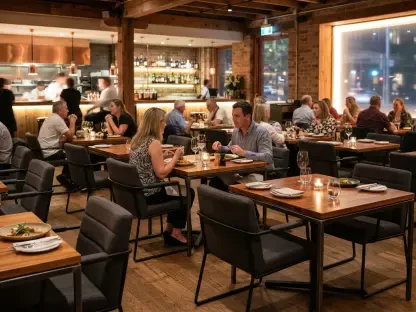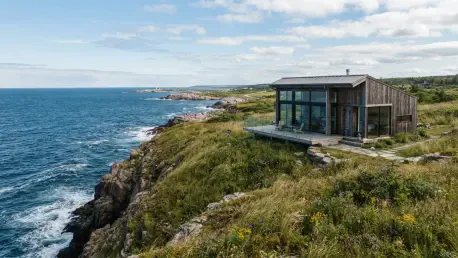

The on-site restaurant Bistro Fiset focuses on a seasonal seafood-forward menu that highlights halibut and redfish sourced directly from Chéticamp’s own waters. This culinary anchor is just one component of a broader movement redefining what high-end travel looks like along the rugged coast of Nova Scotia. As travelers increasingly seek a deeper connection to the landscape, the establishment of LaPointe Chalets on Chéticamp Island represents a significant shift in the regional hospitality landscape. Perched along the world-renowned Cabot Trail, this property offers a rare combination of remote tranquility and accessibility, bridging the gap between wild nature and refined living. Its location provides guests with a dual advantage: a peaceful retreat on a narrow stretch of land surrounded by coastal vistas, yet only minutes away from the entrance to Cape Breton Highlands National Park. This strategic positioning serves as a gateway for those wanting to explore natural wonders while maintaining a sophisticated base.
A Hybrid Approach: Redefining High-End Hospitality
The property distinguishes itself through a unique “at-home” hospitality model designed to bridge the gap between private vacation rentals and luxury hotels. By offering five standalone chalets equipped with full kitchens and separate living areas, the resort caters to a demographic that often finds traditional hotel rooms restrictive. This layout is particularly advantageous for families with young children or long-term travelers who require the space and functionality of a residence to maintain their daily routines. In a market where high-end accommodations often prioritize formality over function, this approach allows visitors to dictate the pace of their own stay. For instance, parents can manage childcare routines, such as bottle preparation and infant naps, in a space that minimizes the risk of disturbing other guests. This flexibility is a key differentiator in 2026, where the demand for specialized lodging continues to outpace the supply of traditional luxury suites.
Despite the independence afforded by the residential design, the property ensures a premium experience through professional hotel services that elevate it above a simple short-term rental. Guests benefit from expert concierge assistance for local itineraries, meticulous housekeeping, and high-quality on-site dining options. This synthesis allows travelers to enjoy the autonomy of a private home while relying on the curated knowledge and consistent standards of hospitality professionals who understand the nuances of the local area. Such a combination addresses a specific gap in the luxury market where travelers often feel forced to choose between the efficiency of a corporate hotel and the unpredictability of a private home listing. By maintaining a centralized management structure, the chalets provide a layer of accountability and service depth that ensures a seamless experience. This professional oversight is crucial for international travelers who expect reliability when navigating remote areas.
Architectural Harmony: Designing with Environmental Stewardship
The design philosophy at LaPointe Chalets, led by co-owner André Bourgeois, emphasizes minimal intervention and a deep respect for the natural landscape of Chéticamp Island. Constructed from natural materials such as wood and stone, the chalets are intended to recede into the hillside rather than dominate it, reflecting an aesthetic of quiet elegance. This architectural approach avoids the ostentatious displays of wealth sometimes found in coastal developments, opting instead for a palette that mimics the surrounding cliffs and forest. By using local materials, the project reduced its carbon footprint and ensured that the structures would weather naturally over time, blending further into the environment with each passing season. This commitment to structural harmony suggests that true luxury in the modern era is found in the ability to coexist with nature without imposing upon it. Such a philosophy resonates with a growing cohort of travelers who prioritize sustainability and consciousness.
Sustainability and preservation are core components of the guest experience, specifically through the protection of the region’s “dark skies” and the restoration of local habitats. By minimizing artificial light pollution through shielded fixtures and thoughtful placement, the resort ensures that visitors can enjoy extraordinary celestial views that are increasingly rare in more developed parts of the world. This commitment to the land is bolstered by a partnership with the neighboring Les Caps Nature Preserve and an acknowledgment of the multi-layered heritage of the site, spanning from Mi’kmaw to Acadian history. The property further honors this heritage by integrating local Acadian family names into the chalets and supporting the village’s artisanal crafts, such as hooked rugs and edge-wood cutting boards. This fusion of ecological stewardship and cultural preservation offers an authentic sense of place, encouraging guests to view themselves as temporary guardians of a landscape where French remains a cornerstone of daily life.
Strategic Evolution: Future Considerations for Coastal Tourism
The implementation of this specialized wellness and accessibility model provided a significant upgrade to the traditional tourism infrastructure of Cape Breton. By prioritizing universal design in the Aucoin chalet, the property ensured that the beauty of the highlands remained accessible to all visitors regardless of physical mobility. The inclusion of an electric steam cedar sauna tucked into the trees further enhanced the restorative quality of the stay, allowing guests to reconnect with the forest in a sensory way. Travelers who visited the property often remarked on how the balance of modern convenience and rugged nature facilitated a deeper level of relaxation than was typical at larger, more sterile resorts. This shift toward specialized, nature-focused amenities signaled a change in guest expectations, moving away from generic luxury in favor of experiences that felt grounded in the specific ecology of the North Atlantic. These features successfully positioned the resort as a sanctuary for the discerning traveler.
The success of the culinary program and the broader hospitality framework established a clear path forward for other coastal communities looking to balance economic growth with environmental integrity. By sourcing ingredients like halibut and foraged chanterelles locally, the establishment demonstrated that a sustainable supply chain could enhance the prestige of a destination while supporting the local economy. Industry leaders observed that the integration of authentic heritage and high-quality service created a resilient tourism product that appealed to a global market. For those planning future developments along the Cabot Trail, the primary takeaway was the importance of smaller, high-impact installations that respected both the land and the linguistic nuances of the region. As the demand for eco-conscious travel continued to evolve, the lessons learned here offered actionable insights into how boutique properties could lead the industry toward a more thoughtful and culturally engaged future.