
The iconic silhouettes of the Cyclades are increasingly giving way to a more nuanced demand for destinations that offer architectural elegance without the claustrophobia of seasonal overcrowding. While the world frequently flocks to the neon sunsets of Santorini and the beach clubs of Mykonos, a more grounded and accessible luxury is quietly taking root on the second-largest island of Greece. Travelers are increasingly trading the logistical headaches of overcrowded ferry ports for the seamless, two-hour drive from Athens to the shores of Eretria. The debut of Paradise Resort Evia marks a pivotal moment where international hospitality standards finally meet the raw, authentic charm of a destination that has long remained a local secret.
This transition highlights a significant shift in traveler preferences, where the value of a vacation is measured by the ease of the journey and the depth of the local connection. By establishing the first Radisson Individuals property in the region, the industry is signaling that Evia is no longer just a weekend escape for Athenians but a legitimate contender on the global stage. This development serves as the nut graph for a broader story about the professionalization of regional Greek tourism, moving toward a model that prizes space, heritage, and modern infrastructure over traditional island clichés.
Beyond the Typical Island Circuit: A Shift in the Mediterranean Travel Paradigm
The modern traveler is moving away from the “bucket list” mentality that has historically defined Greek tourism, seeking instead a sense of place that feels both exclusive and integrated. As the Mediterranean landscape becomes more crowded, the appeal of a destination like Evia lies in its ability to offer the quintessential Greek experience—azure waters, ancient ruins, and exceptional cuisine—without the artificiality of high-traffic zones. This shift reflects a broader desire for “slow travel,” where the quality of interaction with the environment takes precedence over the quantity of social media check-ins.
Moreover, the rise of the mainland-adjacent islands suggests that the logistical burden of multi-stop ferry itineraries is becoming a deterrent for the luxury demographic. The ability to arrive at a global-standard resort within 120 minutes of landing at an international airport is a powerful incentive. This paradigm shift is not merely about convenience; it is about reclaiming time and ensuring that the vacation begins the moment the wheels touch the tarmac, rather than after a grueling day of maritime transfers.
The Strategic Pivot: Why Evia Is Emerging from the Shadow of the Cyclades
Evia is currently experiencing a strategic resurgence driven by the demand for low-density tourism that emphasizes cultural depth and geographical variety. Located in close proximity to the capital, the island offers a unique logistical advantage that eliminates the need for expensive domestic flights. This accessibility, combined with Radisson Hotel Group’s first foray into the region, signals a major institutional bet on the untapped potential of the island for both domestic weekenders and international explorers looking for something beyond the Cycladic white-and-blue aesthetic.
Institutional investment often acts as a catalyst for regional transformation, and the presence of a global brand provides the necessary assurance for high-net-worth travelers to explore new territories. The island’s diverse topography, ranging from alpine forests to thermal springs, offers a multi-seasonal appeal that many smaller islands lack. This geographical versatility ensures that the local economy remains vibrant throughout the year, moving away from the boom-and-bust cycle that characterizes much of the Aegean archipelago.
A Deep Dive into the Resort’s Infrastructure and Cultural Integration
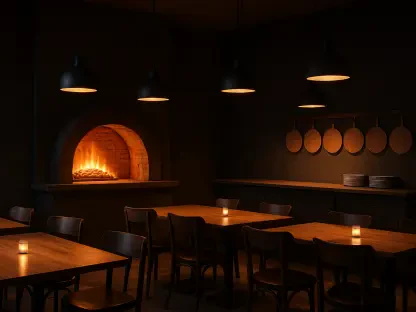
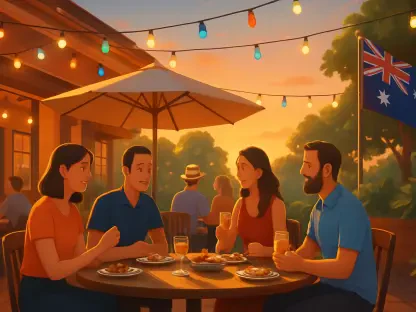
Paradise Resort Evia distinguishes itself through a meticulous blend of Mediterranean design and expansive leisure facilities that cater to a wide demographic. The 322-key property utilizes a low-rise, garden-centric layout, featuring private bungalows and family suites that avoid the sterile atmosphere of traditional high-rise hotels. By centering the social experience around a traditional Ouzeri bar and Greek “gathering culture,” the resort bridges the gap between a global brand and local traditions, ensuring that the guest experience remains rooted in the spirit of Eretria.
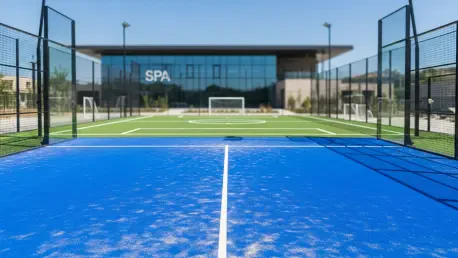
Beyond its aesthetic appeal, the resort functions as a sports and wellness powerhouse, offering facilities that encourage an active lifestyle. Unlike properties that offer only passive relaxation, this complex includes paddle courts, five-a-side football, and an organized beachfront for watersports. For the corporate sector, the inclusion of flexible event spaces for up to 240 attendees positions the resort as a viable alternative for retreats and weddings outside the congested city center of Athens, proving that business and leisure can exist in total harmony.
Industry Perspectives: Merging Global Brand Consistency with Regional Identity
The success of this expansion relies on a consensus among industry leaders that modern luxury is defined by authenticity and regional identity. Joep Peeters of Radisson Hotel Group and General Manager Chrysanthos Repantis have emphasized a vision that balances the refined expectations of international guests with a genuinely welcoming local touch. Expert analysis suggests that by honoring the specific identity of Eretria—from its ancient archaeological significance to the unique tidal wonders of Chalkida—the resort acts as a flagship for how global hotel groups can successfully integrate into emerging regional markets.
This fusion of global standards and local flavor is the new benchmark for success in the Mediterranean. When a resort manages to maintain the rigorous service protocols of an international chain while serving local spirits and mezedes in a setting that feels like a village square, it creates a unique competitive advantage. This strategy not only attracts a more sophisticated traveler but also fosters a sustainable relationship with the local community, ensuring that tourism development benefits the region as a whole.
A Practical Framework for the Modern Traveler: Maximizing the Evia Experience
To fully leverage the strategic location and amenities of the resort, visitors should adopt a multi-faceted approach to their itinerary. A culture-first strategy might involve spending a morning at the Archaeological Museum of Eretria followed by an afternoon of recovery-focused wellness therapies in the full-service spa. This balance allows travelers to engage with the historical weight of the region without sacrificing the restorative benefits of a luxury stay.
Furthermore, the resort serves as a perfect base for exploring the diverse landscapes of the island, such as the Steni Dirfyos mountain region. Visitors can experience alpine scenery and beachfront relaxation in a single day, a rarity in the traditional Greek island model. For event organizers, the facility provides a framework to transition from professional workshops in flexible indoor spaces to social mixers at the Ouzeri Bar, utilizing the varied culinary venues to create a dynamic and memorable experience for all attendees.
The regional transformation of Evia established a new standard for mainland Greek hospitality that moved away from the fragility of island-only tourism models. Strategic planners identified that the integration of cultural heritage and professional wellness facilities allowed for a year-round appeal that stabilized local economies. Travelers who embraced the diverse topography of the mainland discovered that the proximity to Athens facilitated a more relaxed travel pattern. This shift encouraged further investment into secondary destinations, proving that the future of travel belonged to areas that prioritized logistical intelligence and authentic community engagement. The success of Paradise Resort Evia demonstrated that global brand consistency could coexist with local identity, paving the way for a more balanced Mediterranean landscape.