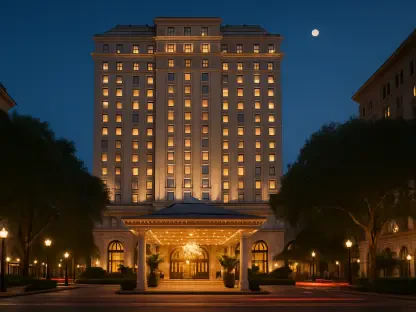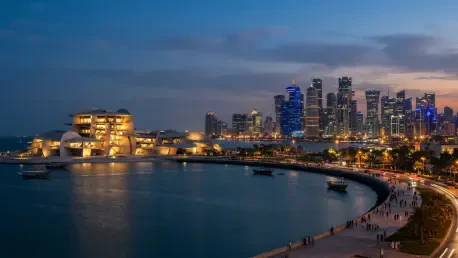

The shimmering skyline of Doha has become a magnetic beacon for global travelers who are now arriving in record-breaking numbers that suggest the nation has successfully moved far beyond its role as a mere transit hub. This transformation is not an accident of geography but the essence of a calculated, decade-long investment in identity and accessibility. While the global community watched the stadiums rise years ago, the true story is what happened after the cheers faded. Today, the streets of Msheireb Downtown and the corridors of the National Museum are bustling with a diverse demographic that reflects a new era of Gulf tourism. This surge indicates that Qatar is not just participating in the regional travel market; it is actively redefining the parameters of luxury and cultural immersion for a global audience.
As the figures for the first ten months of the current year reach unprecedented heights, the conversation has shifted from the feasibility of sustainability to the reality of dominance. The data points to a sophisticated ecosystem where sports, business, and leisure intersect to create a year-round demand. This phenomenon matters because it represents a successful pivot toward a diversified economy that no longer relies solely on traditional sectors. By focusing on high-value tourism and seamless connectivity, the country is challenging established hierarchies and carving out a unique space that appeals to both the high-net-worth traveler and the culturally curious explorer.
The 3-Million Milestone: Beyond the World Cup Afterglow
In October 2026, the statistics surrounding Qatar’s tourism sector shifted from impressive to undeniable as 336,000 visitors arrived in a single month. This represented a staggering 21.7% surge from the figures recorded in September, signaling a powerful start to the peak travel season. Many observers predicted that the country’s appeal would diminish once the spotlight of major international sporting events moved elsewhere, yet the reality of 2.95 million arrivals within just ten months tells a vastly different story. This momentum suggests that the nation has transitioned into a primary destination, where the infrastructure built for the world stage is now serving a sustainable, long-term influx of international guests.
This growth is particularly significant when considering the psychological shift in how the country is perceived. Rather than being seen as a temporary host, the nation is now viewed as a permanent fixture on the global travel map. The October increase of approximately 60,000 additional travelers compared to the previous month highlights a pivot in seasonal demand, likely driven by the transition to more temperate weather. For the local hospitality and retail sectors, this influx translates into high occupancy rates and vibrant commercial activity, ensuring that the post-tournament “afterglow” has evolved into a robust and self-sustaining economic engine.
Bridging East and West Through Strategic Connectivity
The nation has masterfully leveraged its geographic position at the crossroads of the world to capture a diverse array of global markets. In an era where travelers prioritize “stopover-plus” experiences, the integration of world-class infrastructure has turned logistical capacity into a decisive competitive advantage. The expansion of Hamad International Airport and the modernization of deep-water seaports have made the arrival process nearly friction-less, whether one is traveling from the mature markets of Europe or the high-growth corridors of Asia and Oceania. This connectivity ensures that the country remains a focal point for the world’s most mobile populations.
Furthermore, the rise in late-year arrivals suggests that the country is successfully marketing itself as a “winter sun” sanctuary for those fleeing the colder climates of the northern hemisphere. By offering a blend of ultra-modern urban living and serene desert landscapes, the destination appeals to travelers who seek more than just a beach holiday. The ability to bridge the gap between eastern and western sensibilities is reflected in the balanced arrival data, which shows that the nation is no longer dependent on any single region for its visitor volume. Instead, it has become a global meeting point where diverse cultures converge under a single, high-standard hospitality framework.
The Three Pillars of Qatari Tourism Growth
The Gulf Cooperation Council (GCC) remains the bedrock of the visitor economy, with travelers from Saudi Arabia, the UAE, and Kuwait providing a steady and reliable stream of arrivals. During the first ten months of the year, these regional neighbors accounted for 1.176 million visitors, representing nearly 40% of the total influx. This regional loyalty is essential for the sustainability of the luxury hotel and high-end retail sectors, as these “weekend travelers” often engage in repeat visits throughout the year. The proximity and cultural affinity of the GCC market act as a financial safety net, ensuring consistent activity regardless of broader global economic shifts.
Beyond the immediate region, the country has achieved a remarkable balance between the markets of Asia/Oceania and Europe. Each of these regions contributes approximately 21% of the total visitor base, illustrating that the national appeal is not limited by geography or demographic. While many Asian travelers utilize the state-of-the-art transit infrastructure for shorter stays, European visitors typically represent high-value, long-stay tourists who contribute significantly to the local economy through extended leisure spending. This parity between East and West is a hallmark of a mature tourism destination that can cater to varying travel motivations and lengths of stay.
Growth is also being cultivated in secondary “growth corridors” across the Americas, non-GCC Arab nations, and Africa. Although these regions represent smaller percentages—7.3%, 7.1%, and 3.3% respectively—their presence is vital for long-term market resiliency. By tapping into the Americas and the wider African continent, the tourism sector mitigates the risks associated with localized economic downturns in more established markets. This multi-pillar strategy ensures a consistent flow of international arrivals from every corner of the globe, solidifying the nation’s status as a truly international hub that is not beholden to any single economic bloc.
Expert Perspectives on Volume vs. Economic Value
Industry analysts suggest that the true success of the current tourism surge lies in the “value-to-volume” ratio rather than just the headline arrival figures. While nearly three million visitors is a powerful metric, the economic impact is amplified by the specific behaviors of different traveler segments. Long-haul visitors from the United States and Europe tend to provide a disproportionate share of tourism revenue because their extended length of stay requires more nights in hotels and higher total spending on dining and tours. Conversely, the high volume of GCC visitors drives the “repeat visit” metric, which is crucial for building long-term brand loyalty and steady cash flow for local businesses.
Travel consultants have noted that the nation is successfully converting transit passengers into “destination explorers.” This move is significant because it increases the average spend per visitor by encouraging those who would otherwise only see the airport to stay for several days. By offering enticing stopover packages and streamlined visa processes, the country has managed to extract more value from its existing aviation traffic. Experts agree that this strategy of deepening the visitor experience is what will ultimately differentiate the nation from other regional competitors, as it focuses on quality of engagement rather than just raw numbers of people passing through the gates.
Strategies for the Modern Traveler: How to Experience Qatar
For those looking to navigate this burgeoning destination, the “stopover strategy” remains one of the most efficient ways to experience the country. Utilizing the national carrier’s programs allows travelers to turn a simple layover into a multi-day cultural excursion, providing a taste of the local heritage without requiring a separate trip. This approach is particularly effective for those traveling between Europe and Asia, as it breaks up the journey while offering a glimpse into the art and architecture of the capital. Seasonal timing is also a critical factor; aligning visits between October and March allows travelers to take advantage of the growth in outdoor activities and the temperate climate that characterizes the winter months.
A multi-modal arrival can further enhance the travel experience, with land entry from neighboring GCC countries offering a unique cross-border road trip perspective. For those arriving by sea, the skyline of Doha provides a dramatic introduction to the city, highlighting the architectural innovation that has defined the last few years. Regardless of the entry point, prioritizing cultural immersion at sites like the National Museum and Souq Waqif is essential for understanding the traditions that underpin the modern infrastructure. By balancing the high-tech comforts of the city with the authentic heritage of the region, visitors can fully appreciate why the country has moved toward the top of the Middle Eastern travel hierarchy.
In the final analysis, the tourism strategy focused on expanding the digital footprint of the traveler experience and diversifying the geographic spread of visitors. Planners identified the need to move toward a model where rural attractions and eco-lodges played a larger role in the national portfolio. By the close of the year, the hospitality sector prioritized the development of cultural heritage sites in the northern regions to alleviate pressure on the capital. These initiatives ensured that the industry remained resilient while offering fresh reasons for long-haul visitors to return in the coming seasons. Decision-makers successfully integrated augmented reality into the museum experience to bridge the gap between ancient history and the digital age, creating a future-proof foundation for growth.