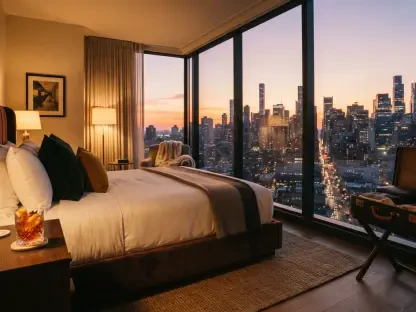

A new collaboration with the Madrid-based brand Late Checkout aims to align the Ritz-Carlton with the aesthetic interests of a younger, trend-setting demographic. This strategic partnership signals a broader movement within the travel sector where the focus is shifting from generic point accumulation to deeply curated lifestyle experiences. In the current landscape, the value of a loyalty program is measured by the exclusivity and emotional resonance of the moments it facilitates rather than the number of nights spent in a hotel. Marriott has observed that modern luxury consumers prioritize access to unique cultural events and aesthetic alignment with their personal brands. This evolution is driven by a behavioral shift where travel is seen as a medium for self-expression and social capital. By moving away from a purely transactional model, the hospitality giant is creating a framework where members feel like part of an elite community. This strategy addresses the maturing preferences of global travelers who now seek to maximize every journey through meaningful engagement and unforgettable interactions.
Cultivating Engagement Through Sports and Global Entertainment Platforms
The sports and entertainment sector has become a cornerstone of this experiential strategy, allowing the brand to offer access that is frequently impossible to purchase through traditional means. By establishing partnerships with global entities such as Formula 1, the NFL, and the International Cricket Council, Marriott provides its members with a front-row seat to the world’s most prestigious events. This approach transforms a standard loyalty program into an exclusive gateway for enthusiasts. For example, members can use their points to bid on pit-lane access at major races or meet-and-greet sessions with world-class athletes. These “Bonvoy Moments” create a powerful emotional connection that transcends the utility of a hotel room. By identifying the core passions of its membership base, the company ensures that the brand remains relevant during the high-stakes moments that define a traveler’s personal life. This strategy effectively turns spectators into participants, fostering a deep sense of brand affinity.
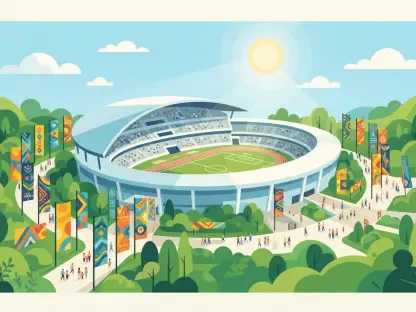
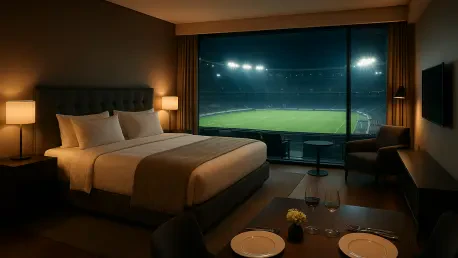
Innovative concepts like the “Sleepover Suite” have taken this immersion a step further by turning stadium luxury boxes into fully functional hotel rooms during major sporting events. These activations allow guests to wake up overlooking the field, blending the comforts of a luxury stay with the thrill of live competition. Such initiatives serve as a physical manifestation of the brand’s commitment to providing unique experiences that cannot be replicated elsewhere. This level of exclusivity is designed to appeal to high-tier loyalty members who have already achieved significant status and are looking for something more than a standard room upgrade. By creating these immersive environments, the brand reinforces its position as a leader in experiential luxury. The success of these stadium-based stays has demonstrated that travelers are willing to invest their loyalty in brands that offer high-impact, narrative-driven experiences. This focus on “un-buyable” access has become a key differentiator in a crowded hospitality market.
Integrating Loyalty Ecosystems Into the Framework of Daily Life
Recognizing that travelers spend only a small portion of the year within the walls of a hotel, the company has expanded its ecosystem to stay relevant in the daily lives of its members. Strategic alliances with everyday brands like Starbucks and Uber allow guests to earn points and enjoy perks during their morning coffee runs or daily commutes. This strategy ensures that the loyalty program remains top-of-mind, transitioning the brand from a periodic travel provider to a constant lifestyle companion. By integrating rewards into routine financial and social behaviors, the program maintains a continuous presence in the consumer’s digital wallet. This “between-stay” connection is vital for maintaining engagement during periods when travel is not a priority. It allows the brand to collect valuable data on consumer habits, which can then be used to personalize future travel offers. This holistic approach ensures that the loyalty program is perceived as a utility that adds value to the member’s life every single day.
Furthermore, synergies with airlines and credit card providers like United Airlines, Visa, and American Express have created a seamless rewards network. These partnerships facilitate the effortless transfer of points and provide curated experiences, such as exclusive dining events for frequent flyers and early access to concert tickets. By mitigating common travel friction and offering value during the “digital travel journey,” the brand creates a unified ecosystem that rewards members for their routine financial and travel behaviors. This interconnectedness allows members to see the tangible benefits of their loyalty across multiple platforms and services. For instance, a member might earn points on a business lunch that later contribute to a luxury vacation in Europe. This fluid movement of value makes the loyalty program more robust and harder to abandon. The objective is to create a frictionless experience where the brand is the primary facilitator of both the mundane and the extraordinary aspects of a modern traveler’s lifestyle.
Addressing Wellness and Cultural Trends Through Targeted Brand Alliances
To maintain a competitive edge, specific partnerships are utilized to differentiate diverse hotel tiers and appeal to targeted demographics. For instance, Westin Hotels & Resorts has focused heavily on the burgeoning wellness market by partnering with health-oriented platforms to offer specialized programming like “Sleep Training for Adults.” These initiatives address a specific and growing consumer need for restorative rest and mental well-being while reinforcing the brand’s identity as a sanctuary for health. This targeted approach allows the company to speak directly to the values of its guests, offering solutions that extend beyond the physical boundaries of the guest room. By positioning itself as a partner in a guest’s wellness journey, the brand builds a higher level of trust and loyalty. These wellness-focused programs are designed to be actionable and science-based, providing guests with tools they can use long after their stay has concluded. This adds a layer of functional value to the loyalty experience.
Similarly, the brand has made significant inroads into major cultural events like the Coachella music festival, providing luxury “oasis” cabins for high-tier members. This presence proves that the loyalty program can follow the guest into the environments they are most passionate about, even outside traditional hotel settings. These activations are specifically designed to capture the attention of younger, lifestyle-driven travelers who value experience over material possessions. By aligning with high-profile cultural moments, the brand ensures it remains a part of the zeitgeist. These pop-up luxury experiences provide a high-visibility platform to showcase the benefits of the loyalty program to a wider audience. They serve as a powerful marketing tool while simultaneously rewarding existing members with unprecedented access and comfort in challenging environments. This strategy of meeting the guest where they are—whether at a music festival or a wellness retreat—ensures that the brand remains a central figure in their most cherished leisure activities.
Establishing New Paradigms for Digital Efficiency and Elite Access
The future of hospitality loyalty is increasingly intersecting with technological innovation and hyper-curation. The brand is currently exploring “unattended retail” and self-serve digital solutions to streamline the guest experience at select-service properties, catering to the modern traveler’s demand for speed and convenience. These digital advancements allow guests to bypass traditional check-in processes and access amenities through their mobile devices, creating a more frictionless stay. Simultaneously, there is an increased focus on health and wellness through new corporate alliances, ensuring that even basic amenities like bottled water contribute to an elevated guest experience. This blend of high-tech and high-touch service is essential for meeting the diverse needs of today’s travelers. By leveraging data and automation, the brand can provide a more personalized level of service at scale, ensuring that every interaction feels tailored to the individual guest’s preferences. This commitment to innovation keeps the brand at the forefront of the industry.
The industry shifted focus toward high-net-worth individuals by launching invite-only events designed specifically for elite members. Strategists recommended that brands prioritized emotional connectivity over digital points to secure long-term loyalty in a competitive market. It was observed that these exclusive gatherings fostered a tiered sense of belonging that resonated deeply with the most frequent travelers. By hosting private dinners and gallery openings, the company successfully cultivated a community of brand advocates who valued the prestige of their status as much as the rewards themselves. These initiatives provided actionable data on the preferences of top-tier guests, allowing for even greater personalization in the following years. The transition toward a more curated and experiential loyalty model proved to be a vital step in maintaining relevance. Decision-makers concluded that the future of travel belonged to those who could turn every transaction into a memory. This shift ensured that the brand remained a primary architect of luxury and lifestyle for the modern global citizen.