
The remarkable transformation of Washington County into a premier travel destination in Western Pennsylvania has reached a critical juncture where economic prosperity meets political scrutiny. While local businesses celebrate unprecedented visitor spending reaching an all-time high of eight hundred

ONYX Hospitality Group has successfully integrated its ONYX for Planet framework into the core guest experience, moving sustainability from a background operational function to a visible service pillar. This evolution was recently underscored at the Ultimate Thailand Green Tourism Showcase 2026,

Although the exponential growth seen between 2022 and 2024 has slowed, Riga still anticipates a modest five percent increase in visitor arrivals by the end of 2026. This adjustment follows a robust recovery period where the city welcomed over 1.5 million guests annually, reinforcing its status as

The gap between the world’s top ten sustainability leaders and all other participating cities has narrowed to just fourteen percentage points, the smallest margin in a decade. This remarkable convergence, highlighted in the 2026 Global Destination Sustainability Index (GDS-Index), signals a
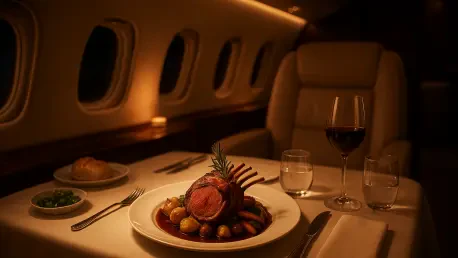
The introduction of a 'From the Grill' dining concept allows First class passengers to customize their meals with premium proteins like British roast rack of lamb. This culinary enhancement serves as a symbolic cornerstone for a much broader initiative: the comprehensive transformation of the

Travelers arriving at Etihad Rail’s Al Yalayis Station can now integrate a nol one-day pass directly into their train booking for seamless transit via the Dubai Metro and RTA buses. This strategic move represents a major milestone in the UAE's National Rail Program, effectively bridging the gap