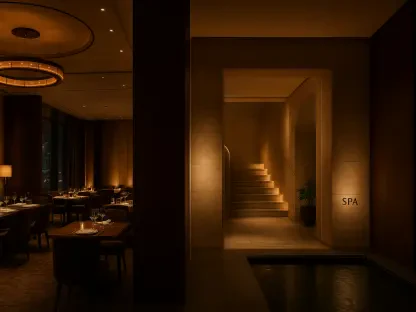

Natalie Musser of ROAM Interior Design suggests that wellness has evolved from a peripheral hotel amenity into a fundamental framework for architectural and interior planning. This shift represents a departure from the traditional model where health-focused features were confined to a fitness center or a basement spa. In the current landscape, the hospitality sector views well-being as a central “operating system” that dictates everything from site orientation to the selection of low-VOC materials. As global travelers prioritize mental clarity and physical restoration, properties are forced to move beyond superficial offerings. This evolution acknowledges that every element of a physical environment contributes to the physiological state of its inhabitants. By embedding restorative elements into the architectural DNA, developers are creating spaces that actively promote healing rather than just providing a place to sleep. This strategic alignment between health and design is now the hallmark of premier hospitality.
Redefining Luxury: Comfort and Tranquility
The traditional markers of luxury, once defined by ostentatious displays of wealth and heavy, ornate aesthetics, have undergone a significant transformation. Today’s sophisticated guests are increasingly seeking “quiet luxury,” where the emphasis lies in the quality of the lived experience rather than the price tag of the decor. This transition reflects a deeper understanding of human needs, where silence, privacy, and personalization are valued above all else. Luxury is no longer just about what can be seen; it is about how a space makes a person feel. Designers are responding by stripping away the unnecessary noise of traditional high-end interiors to focus on spatial harmony and atmospheric precision. This minimalist yet deeply thoughtful approach ensures that every square foot of a property serves a purpose in the guest’s pursuit of peace. In this context, the highest form of hospitality is the provision of an environment that allows for total decompression.
Implementing this new standard of luxury requires a focus on the subtle, often invisible details that dictate physical comfort. Advanced lighting systems that mimic the natural progression of the sun—shifting from cool, energizing tones in the morning to warm, amber hues in the evening—are becoming standard in high-end suites. These circadian-aligned environments help guests regulate their internal clocks, which is particularly vital for those crossing multiple time zones. Similarly, the tactile experience of a room plays a crucial role in sensory grounding; the use of natural fibers like organic linen, reclaimed wood, and smooth stone provides a physical connection to the earth that synthetic materials cannot replicate. By prioritizing these sensory inputs, hoteliers demonstrate a level of authentic care that goes beyond standard service protocols. The result is a profound sense of tranquility that fosters lasting brand loyalty, as guests associate the property with their own physiological well-being.
Shaping the Journey: Design Narratives
A successful wellness-first property is built upon a cohesive design narrative that intentionally guides the guest through a sequence of emotional states. This journey begins at the moment of arrival, where the transition from the external world into the hotel sanctuary must be handled with care. Designers use transitional spaces—such as landscaped courtyards or dimly lit foyers—to signal to the brain that it is time to shift from a state of high alertness to one of relaxation. This narrative continues throughout the stay, ensuring that every corridor and public area maintains a consistent atmosphere of mindfulness. Rather than treating wellness as a scheduled event, such as a one-hour massage, the property becomes a continuous experience of restoration. This seamless integration ensures that the guest never feels “off the clock” regarding their health, as the architecture itself performs the heavy lifting of stress reduction. Each design choice serves as a silent host.
Within this narrative framework, spatial interventions are used to maximize the restorative potential of the environment. For instance, the orientation of guestroom furniture is no longer dictated solely by the location of the television; instead, layouts are designed to highlight natural vistas and maximize the intake of daylight. Framing specific views of the landscape serves as a constant reminder of the world outside, fostering a deep connection with nature that is often missing from urban life. Furthermore, the modern luxury hotel must balance the need for social engagement with the necessity of solitude. Designers achieve this by creating “pockets of peace” within larger communal areas—small, comfortable nooks where a guest can remain part of the hotel’s energy while enjoying a moment of quiet contemplation. This duality allows the guest to customize their journey, choosing between vibrant interaction and restorative isolation as their emotional needs dictate throughout their stay.
Technical Pillars: Healthy Environments
The foundation of a healthy hospitality environment rests on technical pillars that directly influence human biology. Biophilic design is the most prominent of these, involving the strategic integration of greenery, water features, and natural ventilation systems. Research consistently shows that exposure to these elements significantly lowers cortisol levels and heart rates, providing a measurable impact on guest health. In modern luxury builds, this goes beyond placing a few potted plants in the lobby; it involves vertical gardens, indoor streams, and extensive use of local flora to create a microclimate that feels fresh and alive. This biological connection is essential for travelers who spend much of their lives in sterile, tech-heavy offices. By reintroducing these primal elements into the built environment, designers are able to tap into the innate human affinity for nature, creating a sense of psychological safety and ease that is fundamental to the overall wellness experience.
Beyond the visual and biological, the technical success of a wellness-centric property is determined by its atmospheric and acoustic management. Air quality has become a top priority, with properties investing in hospital-grade HEPA filtration and localized humidity controls to ensure the air is free from allergens and pollutants. This is paired with advanced acoustic engineering to eliminate the disruptive sounds of mechanical systems or neighboring rooms. Strategic sound-masking and the use of high-performance insulation create a “sonic cocoon” that is essential for deep, restorative sleep. Furthermore, the material palette is selected not just for its beauty but for its health profile, favoring non-toxic finishes that do not off-gas harmful chemicals. When these technical elements are combined with intuitive spatial planning, they create an environment that feels physically supportive. This level of detail ensures that the building itself acts as a passive health tool, protecting and nourishing the guest.
Case Study: Authenticity in Antigua
The Nikki Beach Resort & Spa Antigua provides a compelling case study on how to translate wellness principles into a specific geographical context. The design process for this property was rooted in the “spirit of place,” ensuring that the resort felt like a natural extension of the Antiguan landscape. This was achieved by utilizing materials found in the surrounding environment, such as local limestone and woods that reflect the textures of the island’s rugged coastline. The color palette was directly inspired by the turquoise waters and the vibrant greens of the native vegetation, creating a visual harmony that grounds the guest in their location. This approach avoids the generic “luxury” look in favor of something far more authentic and restorative. By honoring the local environment, the resort offers a unique sense of belonging, which is a key component of psychological well-being. Guests are not just staying in a hotel; they are experiencing the island through a refined, architectural lens.
A defining characteristic of the Antigua property is the deliberate transparency between internal and external spaces. Large-scale glazing and open-air corridors encourage a constant flow of fresh sea breezes and natural light, blurring the boundaries between the guestroom and the beach. Even the layout of the private suites was reconsidered to support restoration; beds are oriented toward the horizon, allowing the first thing a guest sees upon waking to be the vast expanse of the ocean. This simple but powerful design choice frames a restorative sightline that encourages presence and mindfulness. This balance between the brand’s energetic lifestyle and a nature-focused, restorative ethos provides a multi-dimensional experience. It proves that luxury hospitality can be both high-energy and deeply healing, provided the design remains rooted in the natural world. This synergy is exactly what modern travelers seek when they choose a destination for their annual recovery.
Strategic Advantage: Holistic Care
In an increasingly saturated global market, the ability to offer a truly transformative experience has become the ultimate competitive advantage for luxury hotel brands. Properties that merely provide a bed and a view are finding it difficult to compete with those that offer a comprehensive sanctuary for the body and mind. When wellness is woven into the very fabric of the hotel’s philosophy—rather than being treated as a secondary service—it creates a powerful emotional bond with the guest. This shift allows a brand to establish a distinctive identity centered on intuitive care, where the guest feels seen and supported without having to ask. As consumers become more educated about the impact of their surroundings on their health, their expectations for the built environment will only continue to rise. Moving forward, the most successful developers were those who recognized that a hotel is not just a building, but a vital partner in the guest’s personal health journey.
The industry reached a pivotal moment where the integration of wellness into design became a necessity rather than a luxury. Stakeholders transitioned toward long-term health metrics, ensuring that every renovation and new build prioritized the psychological and physiological needs of the traveler. To maintain this momentum, hoteliers adopted a multi-disciplinary approach, collaborating with environmental psychologists and health experts to refine their architectural standards. This proactive stance allowed the sector to move beyond reactive solutions toward the creation of total restoration systems. Future developments focused on hyper-personalization, where room environments adjusted automatically to a guest’s specific metabolic data or stress levels. By embracing these innovative strategies, the hospitality industry successfully transformed the concept of a “stay” into a meaningful investment in human longevity. These actions solidified the role of the hotel as a cornerstone of the modern global health infrastructure.