
Mobile’s waterfront has operated as a significant center for global maritime commerce for over three centuries, beginning with its French founding in the year 1702. While many modern travelers view this stretch of the Gulf Coast as a brief interlude on the long drive between Florida and New Orleans, the reality of the city is far more profound. For too long, the prominent silhouette of the USS Alabama battleship, visible from the Interstate 10 corridor, has served as a primary identifier for passersby, often obscuring a sophisticated urban core that predates most American metropolitan centers. Stepping away from the high-speed transit of the highway reveals a city where colonial heritage, maritime industry, and high-end culinary innovation converge to create a uniquely Southern cultural powerhouse. This shift in perspective allows visitors to appreciate the area not just as a transit hub, but as a destination that gracefully balances its industrial identity with a deep sense of historical refinement and artistic expression. By arriving via the scenic Amtrak Mardi Gras Train, the journey itself becomes a return to a more deliberate pace of exploration, mirroring the city’s own storied timeline and offering a grand entrance into a community that has successfully preserved its soul despite the rapid modernization of the surrounding region.
A Legacy of Hospitality and Urban Exploration
Historic Grandeur: The Battle House Legacy
Central to the experience of the city is the Battle House Renaissance Mobile Hotel & Spa, a cornerstone of Southern high society since its establishment in 1852. The hotel functions as a living museum where guests are surrounded by architectural wonders, such as intricate domed ceilings and soaring marble columns, that reflect the city’s historical wealth and its commitment to aesthetic preservation. This landmark has witnessed the passage of centuries, serving as a social epicenter for generations of visitors and residents alike. The meticulous restoration of its grand lobby and common areas provides a sophisticated home base for travelers looking to immerse themselves in the elegance of a bygone era while enjoying the modern amenities expected in 2026. This dedication to maintaining the physical integrity of the past ensures that every guest feels the weight of history from the moment they step through the doors. The hotel is not merely a place to stay; it is a physical representation of the city’s resilience and its ability to adapt its grand traditions to meet the needs of contemporary luxury travelers without losing its fundamental character.
Boutique Transit: Reimagining Urban Mobility
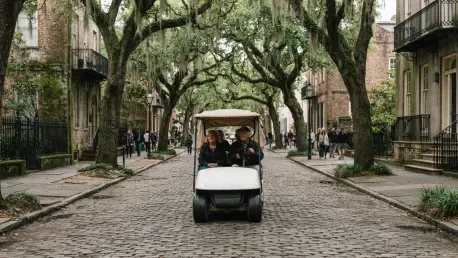
Navigating the downtown district has been fundamentally reimagined through localized services like “MOB City Rides,” which utilizes golf cart transportation to provide an intimate and sustainable form of urban exploration. This trend toward boutique transit allows visitors to engage directly with the historic district’s architecture without the physical barriers or environmental impact of a traditional vehicle. Such accessibility encourages a slower, more deliberate pace of discovery, making it easy to transition from the grand halls of historic hotels to the hidden gems tucked away in the city’s lush, oak-lined streets. This mode of transport facilitates a deeper connection between the traveler and the environment, allowing for spontaneous stops at local boutiques or architectural landmarks that might be missed during a conventional car ride. As urban centers across the country look for ways to reduce congestion and improve the tourist experience, this localized approach stands as a model for how a historic city can remain navigable and welcoming. It reflects a broader commitment to pedestrian-friendly infrastructure that prioritizes the human experience over automotive convenience, ensuring the downtown remains a vibrant and interactive space for all.
The Epicenter of Southern Gastronomy
Culinary Innovation: A Fusion of Regional Cultures
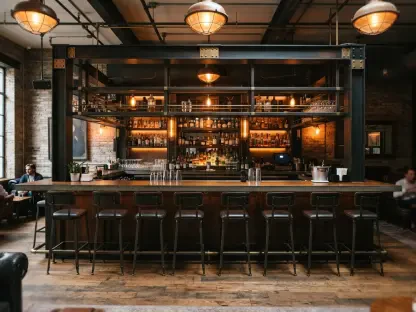
The local food scene has emerged as a formidable rival to its more famous neighbors, defined by a farm-to-table ethos and a sophisticated fusion of French, Spanish, and Caribbean influences. Establishments like The Noble South have gained national recognition for reimagining Southern staples through a refined lens, using locally sourced ingredients to elevate regional flavors into high-art gastronomy. This culinary maturity signals a transition from simple seafood shacks to a destination for serious gourmands seeking an authentic taste of the Gulf Coast. The focus on seasonality and local procurement ensures that every dish tells a story of the region’s geography and the skill of its producers. By blending traditional techniques with modern presentation, these culinary leaders have created a dining landscape that is both rooted in heritage and forward-looking in its execution. The result is a vibrant food culture that honors the past while pushing the boundaries of what Southern cuisine can achieve in a globalized world, cementing the city’s reputation as a vital player in the American culinary conversation.
Edible History: The Flavors of Maritime Trade
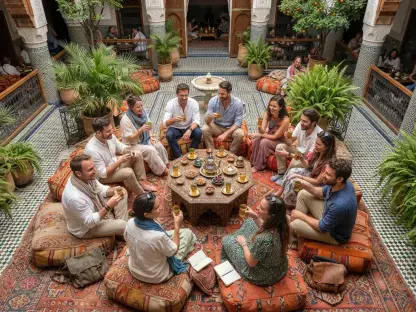
To truly understand the city’s multicultural roots, travelers often turn to immersive experiences like the Bienville Bites Food Tour, which bridges the gap between physical appetite and cultural education. By visiting legendary institutions such as Wintzell’s Oyster House or the Cuban-inspired Las Floriditas, guests partake in a form of edible history that illustrates centuries of maritime trade and immigration. These venues synthesize the physical geography of the city with its food, pairing views of Mobile Bay with scratch-made menus that highlight seafood gumbo and regional game. Whether dining at the intimate Bistro Saint Emanuel in Fort Condé Village or enjoying panoramic views from the 34th floor at Dauphin’s, the gastronomic landscape offers a sensory map of a complex colonial past. Each bite serves as a reminder of the various cultures—French, Spanish, and African—that have contributed to the unique flavor profile of the region. This educational approach to dining transforms a simple meal into a profound cultural exchange, allowing visitors to taste the legacy of a city that has always been a crossroads of the world.
A Tapestry of Maritime and Colonial Heritage
Under Four Flags: The Evolution of Local Identity
The identity of the city is deeply rooted in its unique four-flag history, having been shaped by French, British, Spanish, and American governance over several centuries of development. This colonial heritage is meticulously preserved within the Fort District, where sites like the History Museum of Mobile and the Condé-Charlotte Museum provide a chronological narrative of the region’s evolution. From the early French fortifications at Fort Condé to the shifting architectural styles reflected in the period rooms of historic homes, the city serves as a tangible link to the formative years of the American South. This historical continuity is not merely a footnote but a living component of the modern identity, influencing everything from urban planning to local customs. Visitors can walk through the recreated bastions of the fort and gain a visceral understanding of the strategic importance this location held for European powers. By maintaining these sites, the community ensures that the lessons of the past remain accessible, providing a foundation of knowledge that informs the growth and development of the city as it moves deeper into the 21st century.
Maritime Authority: The Legacy of Global Shipping
The GulfQuest National Maritime Museum of the Gulf of Mexico serves as the definitive authority on the city’s economic lifeblood, featuring massive models of container ships that reflect its ongoing role in global shipping and logistics. This institution offers an immersive look at the shipping and cargo operations that drive the region’s prosperity, linking the historic port to the modern global economy. Beyond pure industry, the museum celebrates the cultural impact of the coast, including dedicated exhibits that honor local legends like Jimmy Buffett, who famously linked maritime tradition to popular music and culture. This blend of industrial might and cultural storytelling ensures that maritime history is viewed not as a static collection of dates, but as a living, breathing influence on the modern day. By showcasing the technology of modern shipping alongside the stories of the people who worked the docks, the museum provides a comprehensive view of how the waterfront has sustained the community for generations. This connection to the sea remains the city’s most defining characteristic, shaping its economy, its recreation, and its enduring spirit of international engagement.
The True Origin of Carnival Traditions
The Birthplace of the Mystic Societies: Authentic Roots
While other Gulf Coast cities may be more famous for their contemporary celebrations, this city holds the legitimate title as the authentic birthplace of Mardi Gras in North America, with traditions dating back to 1703. The Mobile Carnival Museum stands as a testament to this legacy, showcasing the intricate artistry of royalty robes, elaborate float designs, and the secret traditions of the mystic societies that founded the event. This community-driven approach to the holiday emphasizes a deeply localized pride, focusing on the craftsmanship and social bonds that have sustained the tradition for hundreds of years. Unlike the more commercialized versions of the festival found elsewhere, the local celebration maintains a sense of historical exclusivity and ritual that is unique to the area. The museum allows visitors to see the evolution of these societies and the role they play in the social fabric of the city, highlighting the continuity of a tradition that has survived wars, economic shifts, and social upheavals. It is a place where the festive spirit is treated with the same reverence as the city’s most solemn historical milestones.
Cultural Signifiers: The Tradition of the MoonPie
A hallmark of the local celebration is the MoonPie, a marshmallow-and-chocolate treat that has served as an iconic parade throw since the early 20th century, distinguishing the city’s festivities from all others. This quirky tradition offers a family-friendly yet exuberant atmosphere that stands in stark contrast to the more chaotic versions of the holiday found in larger metropolitan areas. The MoonPie has become more than just a snack; it is a cultural signifier that represents the city’s hospitable and inclusive approach to the Carnival season. By exploring the roots of Carnival in its original home, visitors gain a profound appreciation for the persistence of a culture that celebrates life with proprietary pride and genuine Southern hospitality. This focus on shared joy and community participation ensures that the tradition remains relevant for new generations, providing a sense of belonging and continuity. The local version of Mardi Gras is a reflection of the city’s character—refined, historical, and deeply connected to its own unique narrative, offering an experience that is both grand in scale and intimate in its community focus.
Future Perspectives: Sustaining a Living Heritage
The journey through the historic core of the city provided a roadmap for future urban preservation efforts across the Gulf South, demonstrating that economic progress and historical integrity are not mutually exclusive. By prioritizing the restoration of landmarks like the Battle House and integrating boutique transit solutions, the community successfully maintained its unique identity while remaining competitive in the modern tourism market. The expansion of culinary tours and educational maritime exhibits ensured that the city’s multicultural narrative was communicated effectively to a global audience. Moving forward, the continued success of the region will likely depend on its ability to protect the mystic traditions of Mardi Gras from over-commercialization while inviting new residents to participate in its cultural life. The integration of sustainable transit and a commitment to edible history provided actionable models for other historic port cities looking to revitalize their downtown areas. As the waterfront continues to evolve, the lessons learned from this period of thoughtful growth served as a reminder that the most resilient cities are those that honor their founding stories while embracing the innovations of the present.