
The transition from a mobile catering service in the back of a Land Rover to a regional culinary powerhouse requires more than just high-quality flour and a hot oven; it demands a decade of consistency, brand loyalty, and a keen eye for urban expansion that bridges the gap between artisanal craft and commercial viability. As the hospitality sector in the Southwest prepares for the arrival of new competitors, one Bristol-born brand is setting its sights on the historic city of Bath to prove that its sourdough-led model is ready for a broader stage. This move represents a pivotal moment for a business that began as a humble venture and has since become a fixture of the Bristol food scene, operating multiple successful locations across the city. With an opening scheduled for early 2027, the stakes have never been higher for a regional independent seeking to maintain its soul while scaling its footprint. The decision to expand into Bath reflects confidence in the brand’s ability to replicate its unique atmosphere in a different urban context while staying true to its original artisanal principles.
The Evolution of a Regional Pizza Icon
Strategic Expansion: From Mobile Roots to Bristol Mainstay
Founded originally in 2013 by Alex Corbett and Jack Lander, the journey of this pizza brand began far from the polished storefronts of Park Street or Whiteladies Road. The business initially operated as a nomadic wood-fired service, utilizing a converted Land Rover to travel across the Somerset countryside to cater at various festivals and private events. This early phase was critical in establishing a reputation for quality and authenticity that resonated with local diners. Over the subsequent decade, the founders managed to successfully transition from a niche mobile startup into a multi-site hospitality group. By focusing on a lean, efficient model that prioritized the product over flashy marketing, the brand secured a loyal following that supported its expansion into permanent locations. Today, the presence of four established restaurants in Bristol serves as a testament to the viability of their original vision. Each site maintains a distinct neighborhood feel while delivering a consistent product that appeals to both families and students.
Market Dynamics: Navigating a Competitive Landscape
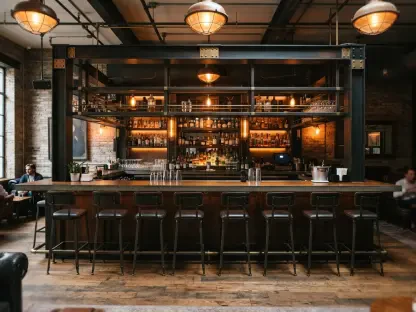
The independent pizza sector in the Southwest has become increasingly crowded as domestic and international chains recognize the region’s strong appetite for high-quality casual dining. Recently, major players such as Rudy’s Pizza Napoletana and Fireaway have established a presence in Bristol, introducing significant competition for established local brands. Despite this influx of capital-backed rivals, the leadership at the Bristol-based group remains committed to a unique value proposition centered on regionality and craftsmanship. The ability to offer a product that feels distinctly local gives these independent operators an advantage over larger chains that struggle to replicate a sense of place. By focusing on the “whole experience,” including the interior design and staff interactions, the brand creates a community-focused atmosphere that is difficult for corporate competitors to mimic. This resilience is essential as the company prepares to enter the Bath market in early 2027, where consumer expectations for quality and service are exceptionally high.
Artisanal Quality and Local Sourcing
Culinary Foundation: Mastering the Sourdough Technique
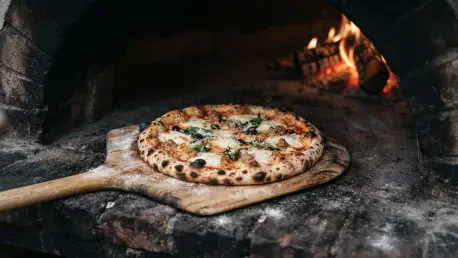
At the core of the brand’s culinary identity is a deep-seated commitment to traditional sourdough techniques that differentiate its product from standard commercial offerings. The production process begins with a long-standing starter culture that has been nurtured over years to provide the signature tang and airy texture associated with high-quality sourdough. Unlike fast-acting yeast, this sourdough fermentation process requires significant time and precision, resulting in a base that is both more digestible and more flavorful. The culinary team utilizes premium flour from Shipton Mill, ensuring that the foundational ingredient of every pizza meets the highest standards of quality and sustainability. Each base is handmade by skilled pizzaiolos who understand the nuances of dough hydration and temperature control. This dedication to the craft ensures that every pizza served across the various locations maintains the same level of excellence. The technical complexity of sourdough production acts as a natural barrier to entry for lower-tier competitors.
Future Resilience: Establishing a Scalable Regional Blueprint
The strategic decision to target Bath as the next expansion site represented a calculated risk designed to test the scalability of the independent sourdough model. Stakeholders recognized that maintaining artisanal integrity while increasing the number of outlets required a balance between centralized quality control and localized management. By prioritizing regional suppliers such as Glastonbury Fior di Latte, the group ensured that the supply chain remained resilient and supported the local economy. The lessons learned during this growth phase provided a blueprint for future expansions into other mid-sized cities across the United Kingdom. Management focused on actionable steps such as digital loyalty integration and sustainable packaging to further enhance the customer experience. Ultimately, the transition demonstrated that a business could evolve from a mobile startup into a significant regional player without sacrificing its core values. The expansion set a new benchmark for how local brands could successfully compete against larger corporate entities.