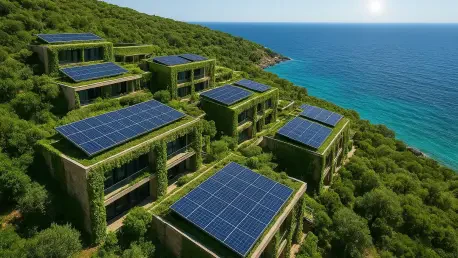

Türkiye’s inclusion in Wanderlust’s ‘The Travel Green List 2026’ underscores the successful execution of its long-term strategy for responsible environmental stewardship. This recognition marks a definitive turning point as the nation departs from the traditional volume-heavy tourism paradigms that dominated previous decades. Instead, the current approach emphasizes a sophisticated, value-driven model that prioritizes the health of the Mediterranean and Aegean ecosystems while providing travelers with deeply immersive experiences. By fundamentally restructuring how international visitors interact with its landscape, the country has moved beyond the concept of superficial sightseeing to create a robust ecosystem of low-impact exploration. This strategic evolution is not merely a marketing pivot but a comprehensive overhaul of the national tourism infrastructure, designed to protect unique ecological and cultural assets for the long term. The emphasis has shifted toward meaningful travel that rewards curiosity with authentic engagement, ensuring that every visit supports the preservation of the very beauty that draws people to these historic shores.
A National Framework: Establishing Global Sustainability Standards
The cornerstone of this transformation is the institutionalization of green practices through the Türkiye Environmental and Cultural Sustainability Programme, a pioneering effort launched in direct partnership with the Global Sustainable Tourism Council. This initiative represents the first instance of a sovereign nation adopting such rigorous international criteria at a mandatory national level, requiring all accommodation providers and tour operators to adhere to transparent, verified standards. Unlike the voluntary measures seen in other regions, this structured policy ensures that every facet of the tourism sector is synchronized with the country’s broader environmental goals. By setting high benchmarks for waste management, water conservation, and energy efficiency, the program has created a culture of accountability that permeates the entire hospitality industry. This regulatory rigor provides a blueprint for how emerging destinations can balance high visitor numbers with the necessity of maintaining ecological integrity through standardized compliance.
These institutional efforts have already secured substantial international recognition, elevating the country to the forefront of global conversations regarding ethical travel and responsible destination management. As modern travelers increasingly prioritize sustainability in their decision-making processes, the presence of certified eco-friendly lodging options has become a critical competitive advantage for regional tourism boards. This shift reflects a profound alignment with the evolving values of the 21st-century global citizen, who demands transparency regarding the environmental impact of their journeys. By providing clear, third-party verified data on the sustainability performance of its hotels and attractions, the nation effectively builds trust with a demographic that is wary of greenwashing. This commitment to honesty and high-level certification ensures that the tourism sector remains resilient against changing global trends, positioning the country as a safe and responsible choice for those seeking to minimize their carbon footprint without sacrificing quality.
Infrastructure for Low-Impact Exploration: Slow Travel and Biodiversity
To significantly reduce the carbon intensity of domestic travel, the national administration is making historic investments in slow travel infrastructure, particularly through the expansion of extensive cycling and trekking networks. Routes such as the EuroVelo 8 in the İzmir region and the legendary Lycian Way have been upgraded to support a new generation of explorers who prefer human-powered transport over traditional motorized vehicles. These paths allow visitors to navigate through diverse landscapes, ranging from azure coastal cliffs to the dramatic volcanic formations of the interior, with minimal disruption to the environment. Furthermore, specialized bike-friendly accommodations have been established along these corridors, offering essential services like secure repair stations, route-planning assistance, and nutrition-focused menus tailored for endurance travelers. This focus on active tourism not only promotes a healthier lifestyle for visitors but also encourages a slower pace of discovery that fosters a deeper connection with the natural world.
The commitment to outdoor exploration is intrinsically linked to the rigorous protection of the nation’s vast biodiversity, which remains a cornerstone of the 2026 conservation strategy. Serving as a critical ecological bridge between continents, the country has prioritized an observation without interference philosophy to protect its endemic flora and fauna from the pressures of human interaction. Key areas like the İztuzu beach, famous for its loggerhead sea turtle nesting grounds, are now managed with high-tech monitoring systems and strict visitor limits to ensure that ecological cycles remain undisturbed. Similarly, bird migration corridors in the eastern provinces have been integrated into educational travel circuits, where visitors can witness rare avian species under the guidance of expert naturalists. This shift toward science-based tourism allows for the generation of conservation funds directly through visitor interest, creating a self-sustaining model where travel actively contributes to the preservation of some of the world’s most fragile ecosystems.
Cultural Preservation: Protecting Local Communities and Culinary Heritage
A vital component of this sustainable evolution involves the seamless integration of modern tourism with the preservation of indigenous lifestyles and traditional community structures. Through active participation in the international Cittaslow movement and the promotion of the United Nations’ Best Tourism Villages initiative, the country highlights the unique value of its vernacular architecture and ancient craftsmanship. By encouraging visitors to explore the authentic historical aesthetics of locations like the button houses in Ormana or the historic ceramic workshops of İznik, the tourism model ensures that economic benefits reach local artisans directly. This decentralized approach prevents the homogenization of regional identities that often accompanies mass tourism, instead fostering a sense of pride and continuity among residents. Every visitor who chooses these off-the-beaten-path destinations contributes to the survival of centuries-old traditions, ensuring that the cultural fabric of the rural heartlands remains vibrant and economically viable for future generations.
The final pillar of this vision centered on the celebration of ecological tastes and the restoration of heritage viticulture through a farm-to-table dining philosophy. By emphasizing the use of seasonal, locally sourced ingredients, the strategy effectively supported regional farmers while drastically reducing the food miles associated with high-end culinary experiences. Furthermore, the promotion of ancient winemaking traditions and the protection of over one thousand indigenous grape varieties allowed the country to offer a narrative that was both culturally rich and environmentally sound. These efforts ensured that the traveler’s journey was not merely a sensory delight but a tangible contribution to the survival of the country’s ancient horticultural heritage. Looking ahead, the focus moved toward establishing even more resilient local supply chains and incentivizing restaurants to adopt zero-waste protocols. These actions solidified the nation’s reputation as a leader in sustainable gastronomy, proving that high-quality tourism and environmental ethics were not only compatible but mutually reinforcing.