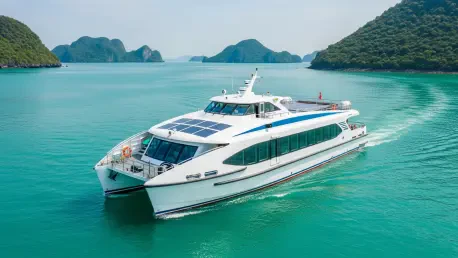

The expansive Vietnamese coastline is currently undergoing a radical metamorphosis as the nation systematically replaces its aging maritime fleet with a sophisticated network of eco-friendly vessels and smart port infrastructure. This transition represents more than just an aesthetic upgrade; it is a calculated response to the increasing demand for sustainable travel options that bridge the gap between the mainland and offshore territories like Phu Quoc and the Con Dao archipelago. By integrating low-emission technologies, Vietnam is effectively dismantling the long-standing trade-off between rapid economic expansion and the preservation of delicate marine ecosystems. The strategic focus has shifted from merely increasing the volume of sea traffic to enhancing the intrinsic value of the transit experience itself. This involves a comprehensive re-engineering of the maritime logistics chain, ensuring that every nautical mile traveled contributes to a broader national goal of carbon neutrality and environmental resilience. These efforts signify a commitment to long-term sustainability.
Technological Advancements in Maritime Engineering
Central to this maritime evolution is the deployment of a new generation of boutique vessels equipped with advanced hybrid and electric propulsion systems. These high-tech ships are engineered to minimize their carbon footprint while maximizing operational efficiency through the use of lightweight hull materials and hydrodynamic designs that reduce drag. By moving away from heavy fuel oil and adopting cleaner energy sources, these vessels are significantly lowering the levels of nitrogen oxides and particulate matter emitted along coastal routes. The integration of digital monitoring systems allows for real-time data analysis, enabling captains to optimize fuel consumption and route timing based on current sea conditions. This technological leap ensures that the transition to green energy is both fiscally responsible and environmentally sound. Furthermore, these modern vessels incorporate advanced hull-cleaning technologies that prevent the spread of invasive species, thereby protecting the unique biodiversity found in Vietnam’s marine parks.
Beyond the ships themselves, the modernization of shore-side infrastructure has become a cornerstone of Vietnam’s green maritime strategy. Port facilities are being upgraded with state-of-the-art electric charging stations and shore power capabilities, allowing vessels to turn off their main engines while docked. This shift significantly reduces noise pollution and improves the air quality for residents living in port cities like Haiphong and Da Nang. Innovative waste management protocols have also been implemented at major terminals to ensure that all shipboard refuse and gray water are processed using eco-friendly methods before being released or recycled. By creating a closed-loop system for resource management, these “green ports” serve as the vital link in a sustainable supply chain that supports both passenger travel and commercial logistics. These upgrades are part of a coordinated national effort to align domestic infrastructure with international maritime standards, paving the way for a more resilient and interconnected coastal economy.
Socioeconomic Impact of Reliable Coastal Connectivity
The overhaul of the maritime sector has successfully addressed the persistent issue of “transit friction,” which historically hindered the growth of island-based economies. In previous years, travelers and locals often faced unpredictable schedules and frequent delays due to weather conditions or mechanical failures in aging fleets. However, the introduction of modern, high-speed ferries has established a new standard of reliability and comfort, transforming island-hopping into a seamless experience. Integrated planning between the government and private operators has led to the creation of stable, year-round schedules that allow for precise travel planning. This increased predictability has made remote destinations far more accessible to international tourists, who are now more willing to explore beyond the traditional mainland hubs. As a result, the maritime journey has evolved from a logistical hurdle into an enjoyable and integral part of the overall vacation experience, characterized by spacious seating, climate-controlled cabins, and panoramic views of the sea.
Improved connectivity also serves as a powerful catalyst for social equity by ensuring that remote island communities have consistent access to essential mainland services. For residents of smaller archipelagos, the availability of modern green infrastructure means that healthcare, education, and professional opportunities are no longer separated by a day-long, hazardous journey. Enhanced ferry routes provide a reliable lifeline for the transport of fresh goods and medical supplies, directly improving the quality of life for thousands of coastal citizens. This infrastructure development supports a more balanced demographic distribution, as younger generations are now able to remain in their home provinces while pursuing careers that were once only available in large urban centers. From a tourism perspective, this widespread connectivity encourages a “slow travel” model that benefits local artisans and family-run businesses. Visitors are empowered to discover hidden coastal gems, ensuring that tourism revenue is distributed more equitably across various provinces rather than being concentrated in a few crowded hotspots.
Transitioning Toward Boutique Eco-Cruise Models
The Vietnamese cruise industry is currently undergoing a significant pivot away from high-capacity, mass-tourism models in favor of more intimate and responsible boutique experiences. These new eco-cruises prioritize deep cultural immersion and environmental stewardship, utilizing smaller vessels that can navigate sensitive marine zones without causing structural damage to coral reefs. By limiting passenger numbers, these cruises offer a more personalized atmosphere where travelers can engage meaningfully with local communities and learn about indigenous traditions. These vessels are often designed with a focus on silence and tranquility, using noise-reducing engine technologies that minimize disturbance to marine wildlife, such as the endangered dugongs found in certain coastal areas. This shift toward high-value, low-impact tourism attracts a demographic of travelers who are increasingly conscious of their ecological footprint and seek authentic experiences that respect the natural environment. This model ensures that the breathtaking beauty of the Vietnamese coastline remains preserved for future generations.
Decoupling economic prosperity from environmental degradation has become the primary objective for the maritime tourism sector as it embraces sustainable practices. The transition to low-emission technology is not just about meeting regulatory requirements; it is about creating a resilient brand for Vietnam as a premier destination for responsible travel. By professionalizing the maritime experience and incorporating world-class safety standards, the industry has opened new doors for foreign direct investment in eco-friendly resorts and infrastructure. This comprehensive approach ensures that coastal development is synchronized with the natural rhythms of the sea, preventing the over-development that has plagued other regions. Local communities are being integrated into this new economy through training programs that focus on sustainable hospitality and maritime engineering. This creates a sustainable loop where economic gains are reinvested into local conservation efforts, further enhancing the appeal of the coastline. The result is a diversified economy that is less reliant on traditional heavy industry and focused on natural health.
Strategic Implementation of Decarbonization Frameworks
To ensure the longevity of these advancements, the government has established a rigorous regulatory framework that mandates the adoption of green technology across the entire maritime sector. This policy initiative, spanning from 2026 to 2028, incentivizes shipbuilders and port operators to invest in carbon-neutral solutions through tax breaks and low-interest financing. By setting clear benchmarks for emission reductions and waste management, the nation is positioning itself as a regional leader in the transition to a blue economy. This strategic direction is aligned with international climate accords, ensuring that Vietnamese ports remain competitive in a global market that increasingly favors sustainable logistics. Regular audits and environmental impact assessments are now standard practice for all new maritime developments, providing transparency and accountability. This proactive stance on environmental regulation not only protects the coastline but also fosters a culture of innovation within the domestic engineering sector as private enterprises compete to develop the most efficient green technologies.
The implementation of these green maritime strategies provided a clear blueprint for regional neighbors seeking to balance industrial growth with environmental preservation. Stakeholders took decisive action by prioritizing the decommission of high-emission vessels in favor of hybrid fleets that maximized passenger comfort while minimizing ecological harm. This shift effectively transformed the coastal travel landscape into a model of efficiency and sustainability that addressed long-standing logistical challenges. Moving forward, it became essential for maritime operators to continue exploring the integration of hydrogen fuel cells and modular reactor technologies to further eliminate carbon dependencies. Developers focused on expanding smart port networks to include automated cargo handling and renewable energy microgrids that supported local power needs. By fostering collaborative partnerships between the public sector and international environmental organizations, the nation secured the technical expertise required to maintain these complex systems and ensure a cleaner sea.