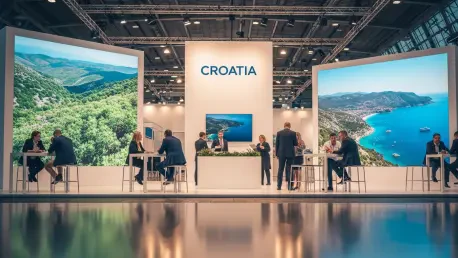

The landscape of European travel has undergone a profound transformation as major Mediterranean destinations seek to move away from seasonal volatility toward a model of stable, year-round economic contribution. Croatia has positioned itself at the forefront of this shift by establishing a dominant presence at international forums such as ITB Berlin, where the emphasis on high-spending Central European markets has become the cornerstone of its national tourism strategy. This aggressive expansion into the German market is not merely a pursuit of quantity but a calculated effort to attract travelers who value cultural immersion, sustainability, and high-end hospitality services. By securing its position as a partner country at major trade events, the Croatian National Tourist Board is signaling a departure from the traditional sun-and-sea model that once defined the Adriatic coast, focusing instead on highlighting the diverse regions of the continental interior for the discerning German traveler.
Strategic Growth: Harmonizing Economic Interests and Digital Innovation
The reliance on the German market is a strategic necessity rather than a coincidence, as travelers from Germany consistently account for the largest share of overnight stays and total tourism expenditure in Croatia. Berlin, serving as a primary cultural and transport hub, offers a direct gateway to a demographic that demonstrates high resilience to economic fluctuations and a growing interest in premium travel experiences. Croatian tourism officials have recognized that the German traveler is increasingly looking for authenticity and ecological responsibility, traits that align perfectly with the nation’s recent investments in nature parks and sustainable infrastructure. This synergy allows Croatia to command higher price points while reducing the strain on over-populated coastal hotspots during the peak summer months. By focusing on the Berlin market, the industry can tap into a sophisticated audience that prioritizes quality over quantity, effectively transforming the visitor profile into high-value contributors.
Another significant component of the strategy involves the burgeoning digital nomad sector, which has seen a massive influx of remote workers from Berlin’s vibrant startup scene seeking a better work-life balance. Croatia was one of the first European nations to introduce a specialized visa for digital nomads, a move that has successfully attracted young professionals who contribute to the local economy throughout the entire year. These individuals often choose to reside in hubs like Zadar or Rijeka, bringing with them a culture of innovation and international networking that enriches the local community. The focus on this demographic is a direct response to the changing nature of work and the desire for “workations” where professional responsibilities are balanced with Mediterranean leisure. By tailoring its offerings to meet the specific needs of these long-term visitors, Croatia is building a resilient tourism model that transcends the limitations of traditional vacation cycles, fostering a stable economic environment.
Future Evolution: Establishing a Decentralized Tourism Model
The strategic pivot toward the German market and the adoption of cutting-edge travel technologies successfully reshaped the national tourism landscape, moving it toward a more sustainable and profitable future. Stakeholders determined that future growth required a move beyond coastal saturation, leading to the development of niche markets like agro-tourism and heritage lodging in the hinterlands. By integrating these rural areas into the national brand, the industry provided a solution for the seasonal overcrowding that once threatened the ecological balance of the Adriatic. These initiatives established a framework for continuous investment in green transport and renewable energy across all hospitality sectors, ensuring that the carbon footprint of international visitors remained minimal. Furthermore, the collaboration between Berlin’s tech leaders and Croatian tourism boards paved the way for more sophisticated data-sharing agreements that optimized logistics and ensured the sector remained resilient.
As the transition reached its maturity, the focus shifted toward long-term human capital development and the education of local communities regarding the benefits of a diversified tourism economy. This approach encouraged residents to preserve their cultural traditions while adopting modern hospitality standards that met the expectations of high-value travelers from Berlin and beyond. The resulting economic stability allowed for the restoration of historic sites and the expansion of protected natural areas, creating a virtuous cycle of preservation and profit. Moving forward, the lessons learned from this intensive partnership with the German market provided a blueprint for engaging with other global hubs seeking authentic and sustainable travel experiences. By maintaining this commitment to quality and innovation, the nation secured its place as a premier destination that balanced modern needs with timeless appeal. This successful evolution marked the beginning of a new era where tourism served as a tool for national renewal.