
The early morning hours on the Charles Bridge offer a rare sensory perspective on sculptural artistry that is often obscured by the daily flow of modern tourism. In 2026, Czechia stands out as a premier European destination that offers far more than a standard city break by providing a seamless blend of grand historical narratives and intimate, small-scale experiences that encourage a philosophy of slow travel. Visitors are invited to move beyond surface-level sightseeing and instead embrace the quiet rhythms of the Vltava River and the well-preserved atmosphere of centuries-old town squares. This destination serves as a living museum where history is not just a collection of artifacts but a functional backdrop for modern life. By focusing on the preservation of heritage in every corner, the country provides a sense of continuity that is rare in the fast-paced world of tourism. Whether through the architectural layers of its cities or the tranquil pace of its rural landscapes, the nation offers a holistic journey that values depth over speed.
The Living History of Prague’s Urban Core
At the heart of the Czech experience is Prague, a city often described as a picture-book setting defined by its iconic red rooftops and winding cobblestone streets. However, Prague is much more than a historical monument; it possesses a vibrant, contemporary personality fueled by independent boutiques, modern cultural venues, and a thriving culinary scene. This intersection of the old and the new allows the capital to remain relevant to modern travelers while carefully guarding its medieval soul. The city is currently undergoing a revitalization of its creative districts, where former industrial spaces are being repurposed into galleries and tech hubs, demonstrating that heritage does not preclude innovation. To truly experience the capital, one must move past a rushed itinerary and embrace the city’s sensory details. While landmarks like Prague Castle and the Gothic grandeur of St. Vitus Cathedral are essential, the most memorable moments often happen in unplanned spaces that allow for genuine discovery.
Walking across the ancient stone pathways during the quiet hours or wandering through the hidden courtyards of Malá Strana reveals a side of the city that feels personal and timeless, where medieval engineering meets the flow of modern daily life. This district, known as the Lesser Town, serves as a bridge between the regal heights of the castle and the bustling energy of the Old Town Square. Within these narrow alleys, the architectural narrative shifts from Baroque flourishes to Renaissance facades, offering a visual history lesson to those who choose to wander aimlessly. The integration of modern gastronomy within these historic shells provides a unique juxtaposition, where one can enjoy a cutting-edge meal beneath centuries-old vaulted ceilings. This approach to urban life ensures that the history remains tangible rather than relegated to museums. For the traveler in 2026, the key to unlocking the city’s charm lies in this willingness to slow down and observe the intricate details that define the Bohemian character.
Beyond the Capital: A Tapestry of Regional Heritage
The true character of the country is best discovered by venturing beyond the capital into its diverse regional towns, which offer a different perspective on the nation’s identity. Český Krumlov is a standout destination, celebrated for its enchanting loop in the Vltava River and a compact, pedestrian-friendly center that serves as a primary alternative for those seeking a slower pace than the capital. This UNESCO World Heritage site exemplifies the preservation of a medieval urban structure, where the castle complex looms over a maze of houses that have remained largely unchanged for centuries. These regional hubs offer a more intimate side of Bohemian life that is less visible in the metropolitan environment of Prague. Visitors can engage with local artisans and explore regional traditions that have been passed down through generations. By stepping away from the main tourist corridors, one finds a sense of tranquility and a connection to the land that is essential for a complete understanding of the Czech spirit and its history.
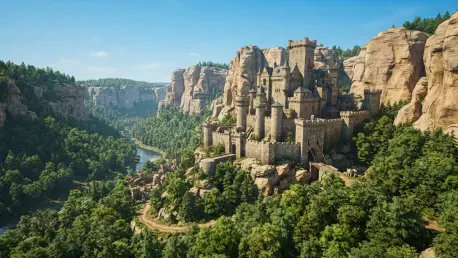
Further exploration reveals the historical economic and defensive foundations of the region through landmarks that tell stories of wealth and protection. Kutná Hora, a former silver-mining powerhouse, features landmarks like St. Barbara’s Church that reflect the immense wealth that shaped the area centuries ago. The cathedral’s soaring buttresses and intricate stonework serve as a testament to the influence of the mining guilds that once funded the Bohemian crown. Meanwhile, the dramatic stronghold of Karlštejn Castle provides a visual link between the urban centers and the rugged, wooded landscapes of the interior. Built by Charles IV to safeguard the Imperial Regalia, this fortress emphasizes the defensive history of the nation and its strategic importance in Central Europe. These locations are essential for understanding the various influences—from mining to warfare—that have defined the Czech people over the centuries. They provide a structural narrative that connects the prosperity of the past with the stability of the modern countryside.
Cultural Vitality Through Arts and Traditions
Czech culture is an active, living force that is deeply rooted in the performing arts and continues to flourish in 2026. Classical music, opera, theater, and puppetry are integral components of the local lifestyle, and the venues themselves—historic concert halls and ornate theaters—are as much of an attraction as the performances they host. The Estates Theatre, for instance, remains a pinnacle of neoclassical design and a reminder of the city’s long-standing relationship with musical geniuses. This allows travelers to appreciate architectural beauty while engaging with high-level artistry, making culture an accessible and immersive part of any visit. The current trend in the Czech arts scene involves blending these traditional forms with digital innovation, creating multimedia experiences that respect the past while speaking to contemporary audiences. This cultural vitality ensures that the arts are not merely preserved for tourists but remain a vital, breathing part of the social fabric that residents and visitors alike can enjoy together.
In addition to the high arts, seasonal traditions play a significant role in transforming public spaces into communal gathering points throughout the year. The Christmas markets are perhaps the most famous example, blending traditional craftsmanship with festive gastronomy to create a warm, welcoming environment even in the depth of winter. These markets are not just commercial ventures; they are essential social rituals where families gather to enjoy traditional sweets and handmade ornaments. These events highlight the country’s dedication to preserving its heritage through active participation, ensuring that traditions remain a vital part of the contemporary social fabric. From the Easter markets to local harvest festivals, the calendar is filled with opportunities to witness the intersection of folklore and modern community life. By participating in these traditions, visitors gain a deeper appreciation for the values that underpin Czech society—namely, a respect for the seasons, a love for craftsmanship, and a strong sense of communal identity.
The Timeless Appeal of the Czech Spa Tradition
A defining feature of the country’s tourism profile is its long-standing wellness tradition, centered largely around the famous spa triangle in the western region. Towns like Karlovy Vary are designed specifically for rejuvenation, trading the energy of urban sightseeing for a slower, more restorative pace. With elegant colonnades and riverside walkways, these regions offer a sophisticated backdrop for those looking to focus on health and relaxation. The architecture here reflects the peak of European spa culture, with grand hotels and pavilions designed to facilitate a sense of well-being. This environment encourages visitors to detach from the stresses of modern life and engage in a tradition that has hosted royalty and thinkers for centuries. The commitment to wellness in these towns is not just a commercial offering but a fundamental part of the local heritage. By integrating natural beauty with architectural elegance, the spa towns provide a unique space where the body and mind can find balance amidst the historical grandeur of the Bohemian landscape.
The foundation of this wellness culture is the abundance of natural mineral springs, which have been used for centuries in various restorative treatments. The experience here is about the art of slowing down—taking gentle walks through the surrounding hills, sipping mineral water from traditional porcelain cups, and enjoying the natural scenery. This tradition provides the perfect antidote to the high-energy pace of traditional travel, offering a balanced holiday that prioritizes physical and mental well-being. In 2026, the focus on holistic health has led to an expansion of these services, incorporating modern medical insights with traditional balneology to provide a comprehensive wellness experience. This approach ensures that the spa tradition remains relevant to a new generation of health-conscious travelers. Whether one is seeking relief from a specific ailment or simply looking for a quiet retreat, the mineral springs of the Czech Republic offer a timeless and effective solution. This dedication to natural healing remains a cornerstone of the national identity.
Strategic Integration: Nature and Travel Logistics
While the built environment is a major draw, the country’s national parks and protected areas offer a necessary contrast for active travelers seeking immersion in the natural world. From hiking through the dense forest paths of the Bohemian Switzerland National Park to cycling along well-maintained trails in the Šumava region, the great outdoors provides a sense of freedom. These landscapes are characterized by dramatic sandstone formations, deep river valleys, and ancient woodlands that have been carefully managed for centuries. This natural diversity ensures that the destination appeals to a broad demographic, from history buffs to those seeking adventure in the wilderness. The integration of well-marked trail systems makes it easy for visitors to navigate the terrain without the need for extensive equipment or guides. By offering a variety of outdoor activities, the country reinforces its image as a versatile destination where history and nature are inextricably linked. This accessibility allows travelers to transition from museums to mountain exploration.
Strategic planning served as the foundation for a seamless journey through this nation, particularly regarding the choice of seasons and transportation. Travelers found that visiting during the spring or autumn months offered the best balance of mild weather and manageable crowds. The efficiency of the rail and bus networks made it easy to travel between major hubs without the need for a personal vehicle, ensuring that the transition from urban centers to rural gems was stress-free. A holistic itinerary that combined several nights in Prague with visits to regional towns and a restorative stay in a spa town provided a complete experience of this timeless nation. Professionals recommended focusing on a single region to truly appreciate the local culture rather than attempting to cover the entire country in one visit. This approach allowed for a meaningful engagement with the history and wellness traditions that defined the Czech experience. Ultimately, the successful integration of these diverse elements created a travel narrative that valued quality and left a lasting impression.