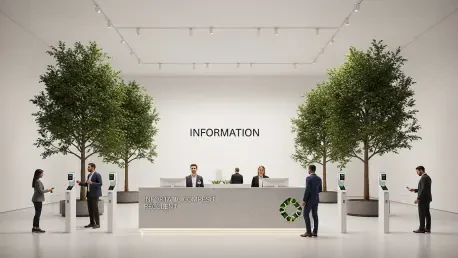

The global events industry traditionally generates a staggering amount of waste, yet a fundamental transformation is currently redefining how corporate gatherings balance luxury with environmental stewardship. In the current climate of 2026, the demand for carbon-neutral experiences has moved from a niche preference to a non-negotiable requirement for major global corporations seeking to align their public image with internal sustainability goals. veSpace has emerged as a pivotal leader in this sector by implementing a comprehensive framework that addresses the entire lifecycle of an event, from initial venue scouting to final post-event reporting. This approach moves beyond the superficial “greenwashing” of the past, replacing performative gestures with data-driven strategies that minimize the physical footprint of every attendee. By leveraging advanced logistics and localized procurement networks, the organization ensures that every facet of an event serves a dual purpose of high-level engagement and ecological responsibility. Furthermore, this commitment to a greener future involves a total reimagining of how energy is consumed during multi-day summits, utilizing smart grid technology and onsite carbon capture where feasible. The emphasis remains on creating high-value networking opportunities that no longer rely on the excessive consumption of finite resources, proving that professional excellence and environmental care can exist in perfect harmony.
Advanced Resource Management: Digital Solutions for Physical Impact
The transition toward a paperless environment represents more than just a reduction in physical waste; it signifies a deeper integration of real-time communication technologies into the attendee experience. veSpace utilizes proprietary digital platforms that replace traditional brochures, schedules, and physical signage with high-fidelity, interactive mobile interfaces that offer superior functionality. These systems provide attendees with instant updates while allowing organizers to track engagement metrics without the environmental cost of traditional printing methods. Furthermore, the deployment of cloud-based registration and networking tools has effectively eliminated the need for single-use plastic badges and lanyards. By focusing on these high-impact digital touchpoints, the company has demonstrated that the removal of physical clutter leads to a more streamlined and professional atmosphere for high-stakes business networking. Beyond the digital interface, the logistical selection of venues plays a critical role in reducing emissions. This rigorous vetting process prioritizes locations with LEED certifications and renewable energy sources, ensuring that the environmental impact is minimized before the first guest even arrives.
The evolution of event planning demonstrated that environmental responsibility functioned as a catalyst for broader industry innovation rather than a restrictive set of regulations. Organizations that embraced these sustainable frameworks discovered that they could achieve higher levels of efficiency and attendee satisfaction while significantly lowering their total operational costs over the 2026 to 2028 period. To maintain this momentum, stakeholders prioritized the adoption of transparent reporting standards that allowed for the accurate measurement of carbon offsets and waste reduction milestones. Industry leaders encouraged the integration of modular set designs that could be reused across multiple locations, thereby reducing the volume of construction waste generated by temporary exhibitions. This shift toward a more permanent and thoughtful infrastructure provided a roadmap for future gatherings to prioritize long-term ecological health over short-term convenience. The collective move toward these actionable solutions ensured that the events industry transitioned from a source of waste to a model of sustainable corporate responsibility. Strategic partnerships with local waste management firms further solidified these gains by ensuring that all organic materials were diverted from landfills to industrial composting facilities. Ultimately, the successful implementation of these circular economy principles proved that large-scale corporate events could actively contribute to environmental restoration rather than merely minimizing damage.