
The resilience of the British hospitality sector often rests on the seamless integration of historic charm with modern operational efficiency, a strategy recently exemplified by Brakspear’s acquisition of the iconic Stroud Hotel. This landmark transaction marks the thirteenth site to join the company’s prestigious Honeycomb Houses managed division, signaling a period of aggressive but calculated expansion within the picturesque Cotswolds region. Following a banner year in 2025 that witnessed a remarkable twenty-three percent increase in turnover and seven percent like-for-like growth, the decision to fold this historic asset into the portfolio underscores a robust confidence in the premium pub and hotel market. By securing this location, Brakspear reinforces its existing dominance in the Stroud area, where it already manages the well-regarded Egypt Mill and Kings Head establishments. The acquisition serves as a testament to the ongoing success of the brand and its commitment to providing high-quality guest experiences within properties that reflect local heritage and culture.
Preserving the Architectural Integrity of a Victorian Landmark
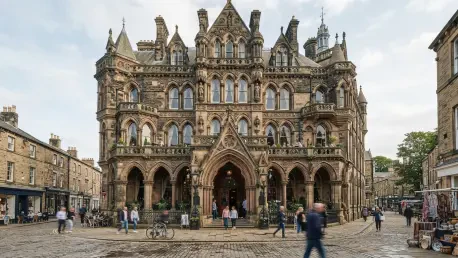
Standing as a quintessential example of Victorian neo-Gothic architecture, the Stroud Hotel has served as a cornerstone of the local community since its construction in the early 1860s. This Grade II-listed building possesses a distinctive aesthetic that captures the grandeur of its era, making it an attractive destination for both leisure tourists and corporate travelers seeking an authentic Gloucestershire experience. With twenty-four en-suite rooms, the hotel provides a critical lodging capacity for the town, especially given its strategic proximity to the local railway station, which facilitates easy access for commuters and weekend visitors alike. The architectural detail, from the ornate masonry to the high ceilings, offers a unique backdrop that many modern developments fail to replicate. Maintaining such a structure requires a delicate balance between historical preservation and the installation of contemporary amenities, a task that management intends to navigate by leveraging its extensive experience in managing heritage sites for modern guests.
Transitioning a historic property into a modern managed division requires a refined operational touch that respects the established rhythm of the venue while implementing necessary systemic improvements. Brakspear has scheduled a brief one-week transition phase to commence in early November, during which the Stroud Hotel will fully integrate the Honeycomb Houses operational model and internal management systems. This period is designed to minimize disruption for guests while ensuring that the backend infrastructure is aligned with the company’s broader logistical network. In a move that highlights a commitment to local stability, the entire existing workforce will remain in place, ensuring that the institutional knowledge and personal relationships developed by the current staff are not lost. Chief Executive Tom Davies has characterized this acquisition as an evolution rather than a revolution, emphasizing that the goal is to enhance the existing strengths of the hotel rather than stripping away its unique identity or community significance.
Elevating the Culinary Experience and Guest Standards
Central to the revitalization of the Stroud Hotel is a complete overhaul of the culinary and beverage programs, moving toward a seasonally rotating menu that emphasizes high-quality, locally sourced ingredients. Guests can expect a sophisticated dining experience that balances traditional comfort with contemporary flair, featuring signature dishes such as twelve-hour slow-cooked pork belly and heritage beef shin. For those seeking more casual fare, the introduction of premium wagyu burgers provides an elevated take on classic pub dining, ensuring that the menu appeals to a diverse range of palates. This gastronomic shift is complemented by a significant upgrade to the beverage selection, which now includes Brakspear’s recently relaunched cask ales, providing a direct link to the company’s long-standing brewing heritage. By curating a list of premium wines and inventive cocktails, the hotel aims to position itself as a premier destination for food enthusiasts and social gatherings throughout the entire Stroud district.
Looking toward the regional expansion strategies for 2027 and beyond, the focus shifted to creating a self-sustaining ecosystem of premium venues that could share resources across the Cotswolds. The acquisition of the Stroud Hotel served as a template for how heritage properties could be successfully modernized without losing their cultural significance or community value. Investors and regional developers examined these methods to implement similar frameworks in other historic market towns, prioritizing the retention of local staff to maintain service continuity. Strategic investments in green energy and sustainable supply chains became the next logical progression for the Honeycomb Houses brand, ensuring that growth did not come at the expense of environmental responsibility. By refining the intersection of luxury lodging and high-end pub dining, the organization established a blueprint for long-term viability. These actions demonstrated that success in the hospitality market required a proactive approach to quality.