
The presence of international brands like EL&N London alongside local concepts highlights the food hall’s role as a bridge between cultures. This strategic development in Msheireb Downtown Doha represents a pivotal shift in how Qatar approaches the intersection of retail and gastronomy. The official opening of the Msheireb Foodhall marks a new era for the region, being the first internationally operated facility of its kind in the country. Developed through an ambitious partnership between Msheireb Properties and the global concept creators at TGP International, the venue serves as a sophisticated social dining destination. By curating a selection of nine distinct cuisines, including six homegrown Qatari concepts and three global names, the space effectively blends local entrepreneurship with international expertise. With a capacity to host 320 guests, the facility is designed to be more than a simple food court; it is a meticulously crafted environment that reflects the architectural and cultural identity of the city.
Structural Innovations: Designing a Multi-Zoned Gastronomic Hub
Redefining the Communal and Interactive Experience
The architectural layout of the facility is strategically divided into specialized zones to accommodate the diverse needs of contemporary visitors. At the heart of this design is the Main Dining Hall and the accompanying Terrace, which offer a relaxed and communal atmosphere for everyday social interactions. This area is specifically engineered to foster a sense of community, allowing diners to enjoy high-quality meals in an open, pedestrian-friendly setting that aligns with the broader urban vision of Msheireb Downtown. By focusing on accessibility and comfort, the developers have created a space where residents and tourists can converge without the formalities often associated with premium dining. The terrace provides a unique vantage point to appreciate the surrounding smart city architecture, reinforcing the connection between the indoor culinary experience and the outdoor urban landscape. This approach ensures that the food hall remains a vibrant hub of activity throughout the day.
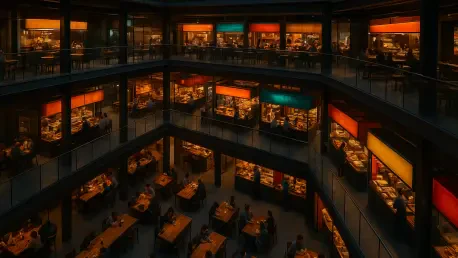
On the Mezzanine level, the focus shifts toward a more immersive and sensory-driven culinary experience that bridges the gap between the chef and the diner. This specialized zone allows guests to observe live culinary preparations and interact directly with the professionals behind the kitchen counters, adding a layer of transparency and entertainment to the meal. Such a design choice reflects a growing demand in the 2026 market for authentic and engaging dining formats that go beyond standard service models. By showcasing the technical skills involved in preparing diverse cuisines, the Mezzanine transforms dining into a performance art, appealing to food enthusiasts who value the craftsmanship of their meals. This interactive element not only enhances the perceived value of the offerings but also serves as a platform for chefs to share their stories and techniques. This level of engagement is crucial for establishing long-term loyalty in a competitive market, providing a dynamic environment that evolves with every visit.
Fostering Innovation Through Educational and Professional Integration
Innovation and education form a core pillar of the food hall’s operational strategy, prominently displayed through the dedicated Food Lab and Interactive Experiences Space. This area is designed to host a rotating schedule of workshops, masterclasses, and guest chef pop-ups that cater to both amateur cooks and seasoned foodies. By providing a platform for continuous learning, the facility transcends its role as a retail outlet to become a cultural incubator where culinary skills are honed and shared. These interactive sessions offer a deep dive into the nuances of the nine featured cuisines, allowing participants to understand the cultural significance behind different flavors and cooking methods. This commitment to education ensures that the food hall remains a dynamic participant in Doha’s cultural scene, encouraging a deeper appreciation for global and local gastronomy. Furthermore, the space serves as a launchpad for emerging Qatari chefs, offering them the resources and visibility needed to experiment with new concepts.
The strategic implementation of the Msheireb Foodhall demonstrated how urban spaces effectively transitioned into integrated social hubs. Stakeholders focused on the importance of storytelling and high service standards to reflect the city’s architectural identity. For future urban developments, prioritizing the blend of local entrepreneurship with global operational expertise proved essential for creating a resilient cultural landmark. Decision-makers recognized that fostering a pedestrian-friendly environment where living, working, and leisure intersected was the key to long-term community engagement. It was observed that the success of such projects relied on the continuous rotation of experiences, such as the workshops held in the Food Lab, to maintain public interest. Moving forward, urban planners and retail developers should prioritize flexible spaces that can adapt to both corporate and social needs. By investing in multi-functional environments, cities established a foundation for vibrant, sustainable growth that honored both heritage and modernization.