
Navigating the 2026 protest wave requires real-time monitoring of digital tools like the Bonjour RATP application to identify sudden metro and bus service interruptions. The socio-political landscape of late October 2026 is currently defined by a significant surge in civil activism that has permeated major metropolitan centers across France and the broader European region. What originated as a localized student-led demonstration in the Paris suburb of Créteil has rapidly evolved into a sophisticated nationwide coalition addressing fundamental economic anxieties, including the rising cost of living and the perceived erosion of public services. For international travelers currently visiting the region, understanding the specific contours of this climate is essential, as the scale of demonstrations frequently reaches hundreds of thousands of participants. This modern friction is deeply rooted in the French civic identity, where public protest is viewed as a foundational right and a necessary tool for defending social protections.
Mapping the Movement: Geographic Shifts and City Impact
Urban Navigation: Relocating the Centers of Friction
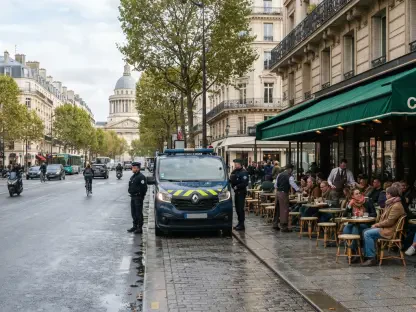
A vital strategy for successfully traversing the streets of Paris during this period involves staying constantly informed about the increasingly fluid nature of established protest routes. While earlier activities were concentrated within the historic heart of the Right Bank—specifically spanning the high-traffic corridors between the Bastille and Place de la Nation—municipal authorities have recently implemented a policy of redirecting major marches toward the city’s outskirts. As of late October, the primary designated routes have been moved to the 13th arrondissement on the Left Bank, frequently originating at Porte d’Italie and terminating near Porte de Vincennes. This strategic shift by local law enforcement and civil organizers is intended to minimize disruption to the central tourist districts, effectively keeping the historic core and major commercial thoroughfares relatively clear for pedestrian traffic and standard business operations.
Despite the relocation of major marches, visitors must remain vigilant regarding localized nighttime restrictions and the persistence of curfews in specific high-density zones. Authorities have maintained a strict curfew from 11:00 p.m. to 6:00 a.m. for areas surrounding Place de la République and the Les Halles district, which continues through at least October 25. These measures are designed to curb late-night escalations and ensure the safety of both residents and the significant numbers of tourists who frequent these nightlife hubs. Navigating these restrictions requires a proactive approach, such as planning evening dining and entertainment within the arrondissements that remain unaffected by these security mandates. Understanding that these zones are subject to change based on the daily intensity of the movement is crucial for anyone attempting to maintain a standard travel itinerary during this period of heightened social mobilization.
Cultural Access: Navigating Museum and Monument Closures
The most tangible impact for travelers currently exploring Paris involves the temporary and often sudden closure of world-renowned cultural institutions. On peak protest days, which typically coincide with Saturdays, a significant number of major landmarks and museums shutter their doors to ensure the absolute safety of their staff, international visitors, and priceless art collections. As of late October, the list of affected institutions remains extensive, including the Louvre Museum, the Musée d’Orsay, the Arc de Triomphe, and the Picasso Museum. Modern art venues such as the Fondation Louis Vuitton and the Bourse de Commerce have also participated in these defensive closures, with some facilities extending their shutdowns through the entire weekend. This pattern of institutional response reflects a prioritized concern for public safety and the preservation of heritage sites during moments of unpredictable large-scale urban activity.
While the closure of major state-run museums may disrupt traditional sightseeing plans, many iconic landmarks continue to welcome visitors throughout the demonstrations. The Eiffel Tower, the Sacré-Cœur Basilica in the hilltop Montmartre district, and the newly restored Notre-Dame Cathedral generally remain accessible even when central museums are closed. To make the most of a visit during this period of unrest, travelers should pivot their focus toward these enduring monuments or explore smaller, less-impacted cultural venues. For instance, the Musée Rodin and various private galleries in the 6th and 7th arrondissements have frequently remained open, providing a stable and enriching alternative for those seeking art and history away from the primary zones of mobilization. Adapting one’s schedule to favor these resilient locations allows for a fulfilling cultural experience that bypasses the logistical challenges posed by the temporary closure of the city’s largest institutions.
Strategic Management: Logistics and Regional Adaptability
Transport Logistics: Managing Localized Service Gaps
While international rail services like the Eurostar and regional high-speed networks operated by Trenitalia remain largely functional, local transit within the city faces significant hurdles. The RATP network, which manages the metro and bus systems, is the primary point of impact for transportation disruptions during active protest windows. Travelers should expect dozens of metro stations, particularly those near the Tuileries garden and the Champs-Élysées-Clemenceau, to close without extensive prior notice. Furthermore, surface bus routes are frequently diverted or canceled entirely to avoid crossing active protest corridors, making cross-city transit highly unpredictable. This necessitates a heightened reliance on walking or using navigation apps that provide real-time updates on station accessibility. Relying on fixed schedules during these periods is ill-advised, as the operational status of key transit nodes like Châtelet–Les Halles can change rapidly.
Beyond the immediate impact of daily marches, travelers must account for organized labor actions, such as the major SNCF rail strike forecasted for early November. These scheduled work stoppages can severely limit regional connectivity, making it difficult to travel between Paris and other French cities or to reach airport hubs like Charles de Gaulle and Orly. Even when transit is operating, hailing cabs or rideshare services becomes exceptionally difficult near protest lines, as drivers are often prohibited from crossing active demonstration routes. The most effective logistical strategy is to walk several blocks away from the known protest corridors before attempting to secure a vehicle. Planning for substantial delays and allowing several extra hours for any trip to a train station or airport is essential for avoiding missed connections. This proactive logistical management ensures that while movement within the city is hindered, the broader travel itinerary remains salvageable.
Tactical Advice: Insurance and Flexible Travel Strategies
Successfully navigating the complexities of the 2026 European protest wave required a high degree of digital awareness and a commitment to real-time information gathering. Travelers who successfully managed the disruptions utilized community-driven forums and official transit applications to identify stable havens like Montmartre and the Latin Quarter, which remained largely unaffected by the march routes. It was also critical to evaluate the limitations of travel insurance, as many policies categorized the ongoing civil unrest as a “known event” that precluded reimbursement for late-purchased plans. By staying informed through local outlets like Le Monde, visitors identified shifts in the social climate before they impacted their specific itineraries. This proactive stance allowed for the preservation of the travel experience, ensuring that safety and cultural enrichment were prioritized even as the urban landscape underwent significant social reorganization throughout the month.
The key to a successful European excursion during this period of friction rested on the implementation of extreme flexibility and a willingness to reroute around scheduled days of action. Rather than canceling their plans, travelers focused on smaller cultural venues and iconic landmarks that remained accessible while major state-run museums were closed. They prioritized walking over rideshare services near protest corridors and allowed for substantial delays when transiting to major rail hubs or airports during labor strikes. These actionable steps provided a roadmap for maintaining mobility and safety without sacrificing the core objectives of their visit. Ultimately, the experience of the 2026 protest wave served as a reminder of the dynamic nature of European civic life and the importance of adaptable planning. By embracing a strategy of informed redirection, visitors successfully discovered the cultural richness of the continent while bypassing the primary centers of social unrest.