
Hotel operators are increasingly using atmospheric design and curated beverage programs to establish a distinctive brand personality in an increasingly saturated market. This shift represents a fundamental departure from the traditional view of the hotel bar as a mere utility, transforming it instead into a strategic destination that significantly influences guest satisfaction and loyalty. In the current hospitality landscape of 2026, travelers are no longer satisfied with generic, transitional spaces; they actively seek environments that offer a unique narrative and a sense of discovery. The bar serves as the social heart of the property, providing a platform for the hotel to demonstrate its commitment to quality and attention to detail. By integrating sophisticated mixology with intentional interior design, properties can create a lasting emotional connection with their visitors, effectively turning a standard stay into a memorable experience. This transformation is driven by a deeper understanding of consumer psychology, where the beverage program acts as a sensory extension of the hotel’s overarching brand promise.
The Architecture of Atmosphere: Designing for Emotional Resonance
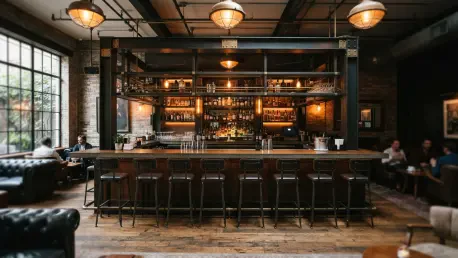
A standout hotel bar begins with an intentional atmosphere where the guest’s impression is formed long before the first sip. This sensory experience is dictated by a careful orchestration of lighting, acoustics, and aesthetic themes that must work in harmony to produce a specific emotional outcome. To be successful, the bar must feel distinct from the rest of the property; while it should reflect the hotel’s overarching brand, it needs a unique vibe that signals a transition from the professional or travel-oriented spaces of the hotel to a realm of leisure and indulgence. For instance, a luxury property might use dim, warm lighting and plush velvet textures to create a sanctuary-like feel that encourages relaxation, while a boutique hotel in an urban center might opt for an energetic, open-concept design with industrial accents to foster social interaction and networking. The goal is to create a space that feels curated rather than accidental, where every design choice contributes to a narrative that resonates with the target demographic.
The physical layout and ergonomics of the space directly impact the duration of a guest’s visit and, consequently, the revenue generated per seat. Strategic design involves balancing high-energy zones, such as the bar rail where guests can witness the theater of cocktail preparation, with secluded corners and soft seating for private discussions or quiet reflection. If seating is too cramped or the acoustics are poorly managed, resulting in excessive noise that prevents easy conversation, guests are likely to depart after a single round of drinks. Conversely, when a space is designed with human comfort in mind—considering the tactile quality of the furniture and the appropriate distance between tables—it creates a sense of ease that encourages visitors to linger. This extended “dwell time” is a key metric for guest satisfaction, as it suggests the environment has successfully met the guest’s need for comfort and social connection, thereby reinforcing the hotel’s reputation as a premium hospitality provider.
Crafting Identity Through Narrative and Innovation
The modern guest is more educated about spirits and cocktails than any previous generation, making a generic drinks list entirely insufficient for a competitive hotel bar. A bar must establish a distinct reason for being through signature cocktails that cannot be found elsewhere, often drawing inspiration from the property’s specific location or history. By utilizing local spirits, regional botanicals, or historical recipes associated with the neighborhood, the beverage program creates an authentic sense of place that grounds the traveler in their environment. This approach turns a simple menu into a curated collection of liquid experiences that reflect the property’s heritage and craftsmanship. When a guest can taste the specific flavors of the surrounding landscape within their drink, it adds a layer of depth to their stay that standardized chains often fail to provide, making the bar a destination in its own right for both tourists and locals.
Furthermore, the power of narrative plays a crucial role in guiding the guest through the selection process, effectively reducing the paradox of choice. Menus should do more than merely list ingredients and prices; they should tell a story and highlight flavor profiles—such as citrus-forward, earthy, or spirit-heavy—to help guests navigate the offerings with confidence. This storytelling aspect extends to the presentation of the drinks themselves, where glassware, ice quality, and garnishes act as visual cues of the bar’s expertise. Implementing seasonal rotations ensures that the menu remains dynamic and relevant, allowing the bar to utilize the freshest ingredients available from 2026 to 2028 and beyond. This commitment to innovation keeps the experience fresh for repeat visitors and gives the local community a consistent reason to return, ensuring the bar remains a vibrant hub of activity that supports the hotel’s financial and reputational health.
Elevating Service Through Professional Expertise
A significant part of a bar’s success depends on the technical and interpersonal skills of the bartender, who serves as a vital ambassador of the hotel’s hospitality standards. Modern bartenders are expected to act as consultants rather than just beverage preparers, possessing the deep knowledge required to explain the nuances of various craft spirits and suggest tailored pairings. They must be able to adapt recipes on the fly to suit individual guest preferences, such as making a classic cocktail less sweet or more refreshing based on a brief interaction. This consultative approach transforms a standard transaction into a personalized experience that guests highly value, as it makes them feel seen and understood. The expertise of the staff acts as a bridge between the physical product and the emotional satisfaction of the guest, elevating the perception of the entire hotel brand through a single high-quality interaction.
Consistency remains the hallmark of a professional beverage program, requiring rigorous training protocols and standardized recipes to ensure every guest receives the same high quality regardless of who is on shift. A guest should be able to order a signature drink on a Tuesday night and have the same exceptional experience on a busy Saturday. Beyond technical precision, successful bar teams must possess the emotional intelligence to read a room, knowing instinctively when to engage a guest in a lively conversation and when to provide the space for quiet reflection. This combination of technical mastery and intuitive service is what builds lasting guest loyalty and generates positive reviews. When guests perceive that the staff is truly invested in their experience, they are more likely to return and recommend the property to others, reinforcing the bar’s role as a primary driver of overall property performance.
Prioritizing the Sophisticated Non-Alcoholic Experience
One of the most prominent trends in modern beverage service is the rising demand for high-quality non-alcoholic options that mirror the complexity of traditional cocktails. The industry has moved far past the era of mocktails that consisted merely of sugary fruit juices or sodas, evolving toward a more sophisticated approach. Today’s hotel bars are expected to treat alcohol-free drinks with the same level of creative rigor as their alcoholic counterparts, utilizing botanical distillates, house-made shrubs, high-end mixers, and complex garnishes. This focus on inclusivity ensures that the social fabric of the bar is accessible to everyone, regardless of their drinking status. By providing options that are visually and sensorially appealing, hotel bars acknowledge that the experience of the “bar” is about the atmosphere and the ritual of the drink, not just the alcohol content.
This shift toward sophisticated non-alcoholic beverages is particularly important for catering to diverse guest needs, including those practicing sober curiosity, business travelers who need to stay sharp for meetings, and fitness-conscious visitors. Providing a premium non-alcoholic experience is an essential component of modern hospitality that demonstrates a hotel’s commitment to guest wellness and inclusive service. When a guest can enjoy a complex, beautifully presented drink without the effects of alcohol, they are more likely to participate in the bar’s social environment for longer periods. This approach not only broadens the target market for the beverage program but also aligns with the global trend toward mindful consumption. By offering a range of high-quality alternatives, hotel bars can capture a larger share of the market and ensure that every visitor feels valued and catered to throughout their stay.
Integrating the Community and Utilizing Technology
A hotel bar that only serves hotel guests misses a vital opportunity to generate ancillary revenue and cultivate a source of local energy that travelers find attractive. The most successful venues serve as “third spaces” for the community by actively collaborating with local breweries, wineries, and craft distilleries to showcase the best of the region. Hosting tasting events, live music, or mixology workshops can turn a quiet lobby bar into a vibrant neighborhood hub where locals and travelers intermingle. This synergy creates an authentic atmosphere that feels grounded in the local culture, providing guests with a genuine sense of connection to the city they are visiting. When travelers see locals frequenting a hotel bar, it serves as a powerful endorsement of the venue’s quality and authenticity, making the hotel feel like a living part of the community rather than an isolated tourist enclave.
While hospitality remains a fundamentally human-centric business, the strategic use of technology plays a vital role in streamlining modern operations and enhancing the guest journey. Digital menus accessible via QR codes can provide guests with detailed information about ingredients, potential allergens, and flavor profiles, while allowing the hotel to update prices and availability instantly. However, the most effective implementations of technology are those that act as a tool for convenience rather than a barrier to human interaction. For example, using digital interfaces for administrative tasks like ordering and payment allows the bar staff to focus entirely on guest engagement and providing personalized recommendations. By striking the right balance between tech-driven efficiency and human-led hospitality, hotel bars can improve service speed while maintaining the high-touch experience that modern travelers demand for their satisfaction.
The Strategic Path Forward: Implementation and Results
To maximize the impact of the hotel bar on guest satisfaction, operators should focus on a holistic integration of service, design, and product quality. This involves investing in continuous education for staff, ensuring they stay ahead of industry trends and maintain a high level of technical proficiency. Furthermore, hotels must regularly audit their beverage programs to ensure they remain aligned with evolving guest preferences, particularly in the realms of sustainability and wellness. Integrating zero-waste practices into the bar operation—such as using citrus peels for house-made bitters or composting organic waste—can also resonate strongly with environmentally conscious travelers. By viewing the bar as a dynamic, evolving entity rather than a static amenity, hotels can ensure it remains a relevant and powerful tool for brand differentiation and revenue growth in the coming years.
The hospitality industry successfully shifted its perspective on the hotel bar, moving it from a secondary service to a primary driver of the guest experience. Properties that invested heavily in their beverage programs and atmospheric design saw significant improvements in guest retention and online reputation scores. These hotels recognized that the bar was not just a place to serve drinks, but a critical touchpoint for building community and showcasing craftsmanship. By prioritizing inclusivity, local partnerships, and professional expertise, they established a new standard for what a hotel bar could achieve. The strategy proved that when a hotel bar was treated as a premier destination, it contributed disproportionately to the overall success of the property. This evolution reaffirmed that intentional hospitality, combined with a commitment to quality and innovation, remains the most effective way to secure guest loyalty and long-term profitability.