
A central priority for the Elevate BUR project was increasing the safety buffer between the terminal building and the active runways to meet modern aviation standards. For decades, the Hollywood Burbank Airport has stood as a bastion of convenience within the sprawling, often overwhelming transit landscape of the Los Angeles basin. While neighboring LAX grew into a gargantuan international hub synonymous with gridlock and logistical hurdles, Burbank remained a cherished secret for those seeking a more human-scale experience. However, the aging infrastructure of the original terminal eventually reached a point where nostalgia could no longer compensate for the needs of a growing population. The unveiling of the 355,000-square-foot facility represents the culmination of a decade of planning and execution by the Burbank-Glendale-Pasadena Airport Authority. This transformation seeks to bridge the gap between mid-century charm and the rigorous demands of modern air travel, ensuring that the facility remains competitive and secure.
Architectural Heritage and Design Identity
Reimagining the Golden Age of Cinema
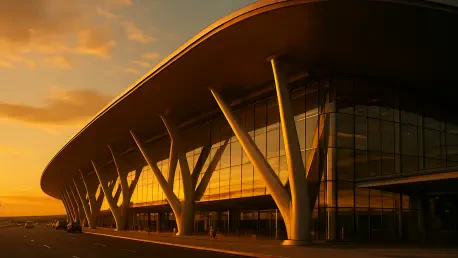
The visual language of the new terminal deliberately moves away from the sterile, utilitarian designs typical of modern aviation architecture to embrace a narrative deeply rooted in the history of the region. Under the direction of the project’s lead architects, the structural design incorporates striking “V columns” that serve as a direct homage to the powerful searchlights that once illuminated the night skies during golden-era film premieres. These massive beams not only provide the necessary support for the terminal’s sweeping roof but also act as iconic markers of arrival, evoking the sense of a red-carpet event for every traveler who passes beneath them. By integrating these specific cultural references, the airport authority has managed to create a space that feels uniquely Californian. The exterior canopies, with their elegant curves and expansive surfaces, further reinforce this cinematic theme by mimicking the iconic silhouettes of vintage silver screens found in historic movie palaces.
Aesthetic Tributes to Hollywood Legends
Beyond the grand structural gestures, the interior of the facility showcases an extraordinary attention to detail that honors the legends of Hollywood through subtle artistic choices. One of the most talked-about features is the intricate perforation pattern on the terminal ceilings, which was meticulously designed to mirror the fabric and flow of the famous dress worn by Marilyn Monroe during her most celebrated public performances. This level of storytelling is paired with a landscape strategy that rejects the traditional “concrete jungle” aesthetic in favor of native California flora and rolling hills. By surrounding the terminal with drought-tolerant plants and naturalistic topography, the design provides a soft transition for passengers, anchoring the airport firmly within the physical environment of the San Fernando Valley. This intentional connection between the glamour of the past and the natural beauty of the present creates a welcoming atmosphere that distinguishes the airport from any other regional hub.
Functional Upgrades and Operational Efficiency
Modernizing Safety and Transit Logistics
The primary driver for the Elevate BUR initiative was the urgent need to align the airport’s physical footprint with contemporary safety protocols and FAA regulations. The original terminal, built in an era with much less stringent requirements, was located too close to the active runways, creating potential risks and operational limitations. By shifting the entire 14-gate terminal to a more strategic location on the airfield, engineers have established a significant safety buffer that protects both passengers and ground crews. This relocation was not merely about space; it allowed for a total redesign of the tarmac flow, reducing the likelihood of ground delays and improving the efficiency of aircraft taxiing. These infrastructure improvements ensure that the airport can handle modern aircraft sizes and volumes while maintaining the high safety ratings required for a 21st-century aviation facility. The result is a more resilient and reliable hub that serves as a vital component of the state’s transportation network.
Technological Integration for Passenger Flow
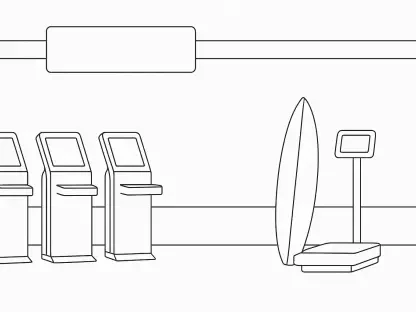
Operational efficiency has been further enhanced through the seamless integration of cutting-edge technology designed to eliminate the common friction points of the travel experience. The new terminal features expanded TSA checkpoints equipped with the latest screening hardware, which is expected to significantly reduce wait times during peak morning and evening rushes. In the check-in hall, the introduction of kiosks with integrated baggage scales allows travelers to handle their luggage requirements independently and accurately before reaching the service counter. Furthermore, the logistical overhaul extends to the airport’s exterior, where a new parking structure has been outfitted with a high density of Electric Vehicle charging stations to accommodate the regional shift toward sustainable transport. A dedicated on-airport access road was also constructed to separate terminal-bound traffic from local surface streets, effectively resolving the historical bottlenecks that once plagued passenger drop-offs and pick-ups.
The Passenger Experience and Community Feedback
Balancing Modernization with Local Charm
Throughout the development process, the airport authority engaged in extensive public simulations to gauge how the new facility would be received by the local community and frequent travelers. Many long-term residents of the San Fernando Valley expressed a complex mix of excitement and apprehension, fearing that the modernization might cause the airport to lose the “small-town” intimacy that made it a preferred alternative to larger hubs. However, the results of these simulations indicated that the project has successfully managed to scale up capacity without sacrificing its cozy essence. Participants noted that while the terminal feels “new and fancy,” it retains a sense of accessibility that is often lost in massive infrastructure projects. The transition from what many described as a “1999” aesthetic to a world-class facility was viewed as a necessary evolution to keep pace with the region’s needs. This feedback underscores the success of a design philosophy that prioritizes the user’s emotional connection to the space.
Human-Centric Features and Community Input
The interior passenger experience is defined by a series of thoughtful, human-centric improvements that address the physical and visual comfort of travelers in the terminal. Creative directors and city planners who participated in the early walk-throughs highlighted the redesigned flight departure boards, which utilize high-contrast displays and optimized typography to be more reader-friendly and visually pleasing. This focus on clear communication is matched by the aesthetic quality of the facility’s amenities, such as the restrooms, which feature retro-inspired vertical tiling and modern fixtures that create a sophisticated, boutique-hotel atmosphere. Even the decision to preserve certain iconic elements, like the airport’s signature carpeting patterns, demonstrates a commitment to maintaining a sense of place. While some users noted the absence of certain luxury features like dedicated airline lounges, the general sentiment was one of overwhelming approval for a space that feels like a lifestyle destination rather than a mere transit corridor.
Long-Term Impacts on Regional Travel
Economic and Logistical Shifts in the Valley
The broader implications of the Elevate BUR project extend well beyond the immediate airfield, serving as a catalyst for economic growth and logistical stability across northern Los Angeles. By offering a high-quality, 14-gate alternative to the perennially overcrowded Los Angeles International Airport, the new terminal is expected to draw a significant volume of domestic traffic away from the coast. This redistribution of passengers helps to ease the burden on the region’s freeway systems and provides a more convenient gateway for the millions of residents living in the San Fernando and San Gabriel Valleys. Local business leaders anticipate that the increased visibility of the airport will encourage more travelers to explore the cultural and commercial offerings within Burbank and Glendale, rather than heading straight to the traditional tourist centers. This shift positions the airport as a central pillar of the local economy, supporting jobs and fostering a more balanced tourism ecosystem throughout the metropolitan area.
Future-Proofing Regional Mobility and Transit
In the final analysis, the project was recognized as a successful integration of air travel with regional transit networks, prioritizing long-term sustainability and connectivity. The terminal’s proximity to the Metrolink rail system and local Burbank Bus lines was leveraged to create a truly multi-modal hub, encouraging travelers to utilize public transportation for the “last mile” of their journey. This strategic alignment aimed to reduce the carbon footprint of the airport while providing a blueprint for how future infrastructure projects could better serve a densely populated urban environment. Stakeholders concluded that the investment in high-end design and modernized safety protocols provided a necessary foundation for the next several decades of regional growth. By maintaining the intimate character of the original site while introducing sophisticated technological and architectural upgrades, the authority ensured that the Hollywood Burbank Airport remained a vital, beloved, and efficient gateway. The lessons learned from this decade-long endeavor offered valuable insights for other municipal authorities.