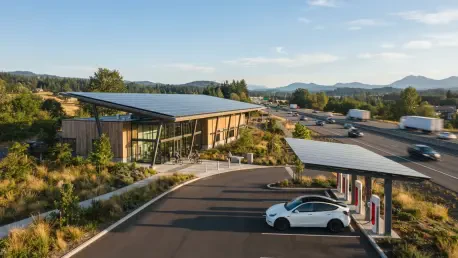

A comprehensive research project recently evaluated 45 specific MnDOT facilities to identify sustainability upgrades that could effectively reduce the departmental carbon footprint and lower long-term costs. As the state’s network of more than 50 safety rest areas and travel information centers continues to age, the burden of rising energy consumption and maintenance expenditures has become increasingly evident. These facilities are indispensable to the motoring public, providing essential safety stops and travel resources, yet they represent a significant portion of the department’s operational overhead. The shift toward a modernization strategy aims to transform the current management paradigm from a reactive maintenance model to a proactive, data-driven investment approach. By identifying and implementing high-impact sustainability measures, the department intends to maximize the functional lifespan of these critical buildings while ensuring that taxpayer funds are utilized in the most fiscally responsible manner possible across the entire state.
Economic and Operational Efficiency
High-Return Investments: Prioritizing Immediate Savings
One of the primary focuses of the research involved identifying high-return investments that could provide immediate utility savings with relatively low capital entry points. Upgrading to advanced LED lighting systems and modernizing HVAC components, such as high-efficiency furnaces and boilers, were highlighted as particularly effective options for rapid deployment. These specific improvements offer predictable performance and shorter payback periods, making them ideal for implementation across diverse geographical regions. Beyond mere energy savings, these upgrades also improve the interior environment for travelers and staff, enhancing visibility and thermal comfort throughout the year. The evaluation suggested that focusing on these fundamental systems allows the department to achieve substantial emissions reductions without the need for the complex structural modifications or massive initial outlays associated with more invasive building envelope renovations or complete system overhauls.
In contrast to standard mechanical updates, the evaluation of renewable energy sources and more complex electricity-dependent systems revealed a more nuanced economic landscape. While photovoltaic solar systems represent a higher initial cost, they were found to be the most effective mechanism for achieving long-term decarbonization goals, especially when utilized in roof-mounted configurations. However, the study also cautioned that certain technologies, such as air-source or ground-source heat pumps, carry higher financial risks due to the volatility of regional electricity rates compared to natural gas prices. In many scenarios, high-efficiency gas furnaces proved more cost-effective than their electric counterparts when utility price fluctuations were factored into the lifecycle analysis. This finding emphasizes the importance of tailoring sustainability strategies to the specific economic conditions and utility structures of each individual facility rather than applying a one-size-fits-all solution.
Strategic Implementation: Utilizing Advanced Decision Support Tools
The implementation of Building Automation Systems (BAS) emerged as a transformative tool for operational efficiency and facility management. These sophisticated digital platforms provide real-time monitoring and advanced diagnostics, allowing maintenance teams to identify and address equipment faults before they lead to catastrophic failures. The research indicated that the value of a BAS extends far beyond simple energy regulation; when the reduction in maintenance labor and travel costs is integrated into the financial model, the payback period for these systems decreases dramatically. For instance, some models showed that including maintenance savings could cut the payback time from nearly 80 years to under 40 years. By centralizing control, the department can minimize the need for frequent site visits to remote rest areas, optimizing the allocation of staff resources and ensuring that all building systems—from lighting to heating—operate at peak efficiency levels throughout their lifecycle.
The development of a cost-benefit decision support tool represented the primary actionable outcome of this research, enabling managers to prioritize projects based on real-world fiscal performance. This tool integrated complex engineering data with long-term financial modeling, which allowed the department to move away from guesswork toward a tiered investment strategy. By focusing on the bundling of energy-saving measures, the project demonstrated that an integrated approach could enhance total efficiency by 45%, providing a roadmap for future infrastructure renewals. These findings suggested that the most effective path forward involved pairing low-cost operational improvements with significant mechanical upgrades to prevent energy waste. Ultimately, the department established a new standard for public facility management that balanced environmental stewardship with taxpayer accountability. This framework ensured that all future maintenance decisions contributed to a more resilient and sustainable transportation network.