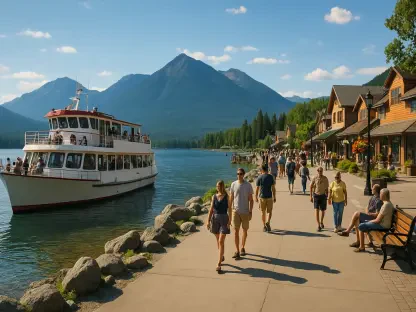

Sixty-five percent of Millennials report choosing specific vacation destinations primarily to evoke feelings of nostalgia rather than exploring unknown territories. This shift indicates a broader cultural pivot where the novelty of the "new" has been eclipsed by the profound comfort of the "known."

When a flight cancellation occurs or a hotel fails to meet expectations, the accountability of a human professional provides a safety net that software cannot replicate. In the current travel landscape of 2026, the proliferation of generative artificial intelligence has made information cheap, but

Proactive health management is replacing reactive medical care as travelers prioritize the extension of active, independent years over simple leisure. The contemporary landscape of luxury travel has moved decisively beyond the era of mere relaxation and surface-level pampering, evolving into a

Stakeholders are betting on Singapore’s long-term status as a global gateway city, citing the continued resilience of luxury travel spending despite a strong local currency. This sentiment drives the high-stakes transformation of the venerable Holiday Inn Orchard City Centre into the sophisticated

The elimination of seasonal flat rates has forced a shift toward continuous, responsive pricing strategies that account for hyperlocal demand fluctuations between peak weekends and mid-week lulls. In the Hudson Valley and Catskills, the landscape of short-term rentals has evolved from a casual

Sustainable travel dispersal is shifting tourism revenue away from over-visited metropolitan hubs and into regional economies through the rise of nature-centric secondary cities. This transformation reflects a fundamental change in how Americans approach their leisure time, moving away from the