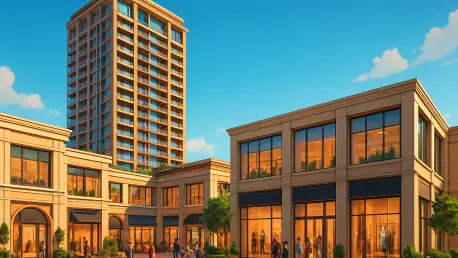

Mixed-use projects allow developers to benefit from immediate capital through residential sales while retaining long-term recurring income from hotel operations. This dual-revenue model represents a fundamental shift in the global luxury real estate market, where the traditional emphasis on opulent physical aesthetics is being systematically replaced by a more comprehensive asset management framework. Under the guidance of CEO Bob van den Oord, the industry is witnessing a move away from simple management toward total real estate optimization. This evolution treats the luxury hotel not just as a service provider but as a sophisticated, multi-functional asset that blends high-level service, wellness programs, and culinary excellence to secure long-term performance. By moving past the mid-2020s, developers recognized that the true commercial viability of a property depends on its ability to offer risk mitigation rather than just high-end finishes.
Leveraging Heritage and Operational Excellence
The integration of historical prestige and operational excellence serves as the bedrock for this new valuation model. In an era where brand trust is paramount, the ability to leverage a storied legacy while maintaining modern service standards creates a unique competitive advantage. Developers are no longer looking for mere hospitality operators; they are seeking strategic partners who can enhance the overall narrative of a large-scale urban development. This synergy between past and present allows properties to command higher market values by offering an experience that feels both grounded and innovative. As the distinction between physical space and service quality continues to blur, the strength of the brand behind the asset becomes a primary indicator of its long-term resilience. By prioritizing heritage and excellence, owners can ensure their investments remain relevant in a rapidly shifting economy. How can developers balance the weight of history with the need for digital-first operational systems?
Legacy Assets: The Strategic Power of Brand Trust
A 160-year identity provides a significant differentiator in a crowded global market, acting as a “trust premium” for developers anchoring high-value projects. This historical narrative is an intangible asset that provides a sense of stability while ensuring the guest experience remains technologically fluid and culturally relevant. Investors are increasingly prioritizing brands that have survived multiple economic cycles, viewing them as safer bets for long-term capital appreciation. This trust is not just about the name but the proven ability to maintain standards of excellence across decades. When a historic brand is introduced into a new development, it brings immediate institutional credibility that drives higher valuations. Consequently, legacy has become a vital component of real estate value, offering a narrative that justifies premium pricing and attracts a dedicated global base of travelers who value depth and reliability in an ever-changing world.
Operator Expertise: Maximizing Financial Performance
The success of a luxury property is inextricably linked to the strength of its operator, who provides global distribution networks and loyalty programs that individual developers cannot replicate. A robust operator manages more than just daily staff; they drive the Average Daily Rate and occupancy levels that determine a property’s capitalization rate. In the current economic landscape, selecting an elite operator is viewed as a critical investment decision that ensures a physical asset remains competitive and profitable throughout various market cycles. This partnership extends beyond daily operations to include strategic renovations that preserve the real estate’s value. As investors seek to protect portfolios from inflation and market shifts, the presence of a strong management team becomes a cornerstone of financial security, transforming a simple structure into a high-performing asset that maintains its competitive edge over the long term through expert management.
Diversifying Revenue Through Innovation
Innovation in revenue generation is equally critical for redefining the value of luxury real estate in the current market. Beyond the traditional hotel room, developers are exploring new ways to maximize the utility of their land and create diverse income streams that can withstand economic fluctuations. This involves a move toward multi-functional spaces that cater to both transient guests and permanent residents, creating a self-sustaining ecosystem within a single development. By focusing on wellness and high-tech efficiency, properties can attract a broader range of consumers and increase the average spend per visitor. This holistic approach to revenue diversification not only improves the bottom line but also enhances the overall desirability of the asset. As urban centers become more crowded and land prices rise, the ability to innovate within the footprint of a property is a key factor in determining its success and long-term financial viability for any serious global investor.
Branded Residences: The Integration of Mixed-Use Developments
The convergence of hospitality and residential sectors has given rise to the branded residence model, which has become a powerful tool for redefining real estate value. This approach allows developers to command significant price premiums on residential units by associating them with a prestigious brand and its service standards. In land-scarce urban environments, mixed-use developments represent the pinnacle of urban efficiency by maximizing the utility of a single footprint. By combining luxury hospitality, retail, and commercial office space, developers create a destination that thrives throughout the day. This synergy creates a robust financial foundation, as management fees from the residential component provide a steady stream of revenue that complements hotel stays. Such projects are less vulnerable to sector-specific downturns because the diverse range of uses provides a natural hedge against market volatility while offering residents a hotel-inspired lifestyle experience.
Service Innovation: Driving Value Through Technological Empathy
Modern luxury hotels are increasingly being designed “from the outside in,” with public-facing amenities like the Chuan Spa serving as primary draws for the local community. By transforming ancillary services into standalone lifestyle brands, properties captured a larger share of local spending and reduced reliance on international tourism. Furthermore, the strategic integration of Artificial Intelligence was utilized to streamline administrative tasks, fostering a culture of technological empathy. For future growth, developers should prioritize the implementation of adaptive technologies and wellness infrastructure to ensure market leadership. Moving forward, the industry must focus on the intersection of human-centric design and operational agility. Investing in flexible, multi-functional spaces proved to be the most effective way to maintain service standards while optimizing the asset’s total financial performance and value through a balance of technology and care.