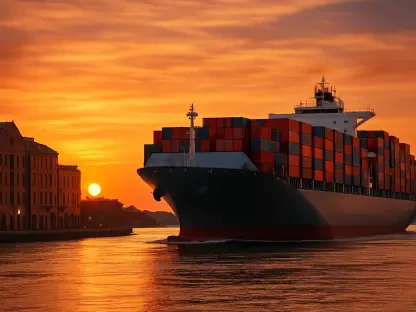

Disney Cruise Line is scheduled to return to the island in 2027 with the Disney Wish, operating five specialized voyages from New York to Bermuda. This announcement signifies a major step in the island’s broader structural transformation designed to elevate its status as a premier destination for high-value leisure and corporate travel. According to recent insights from the WTM London Hub, the archipelago is entering a critical revitalization period characterized by massive capital investments and a sophisticated rebranding of its tourism products. This strategic shift moves away from mass-market appeal toward attracting high-spending visitors who seek a blend of modern luxury and traditional island charm. The current economic trajectory of the hospitality sector shows a promising rise in both visitor volume and overall expenditure. While air arrivals from key markets remain steady, the cruise sector has seen a double-digit increase, reflecting the success of a focus on premium experiences.
Redefining the Hospitality Landscape: Major Hotel Projects
The cornerstone of the island’s tourism revival is a series of massive hotel projects and the modernization of iconic properties that have long defined the local skyline. Leading the charge is the $550 million redevelopment of the Fairmont Southampton, which is scheduled to fully reopen in 2027 with state-of-the-art meeting facilities and extensively renovated guest rooms. This property serves as a vital anchor for the tourism economy, and its return is expected to catalyze further investment across the South Shore. Complementing this massive undertaking is the upcoming Ariel Sands resort, a luxury beachfront destination that features a sophisticated mix of private villas and wellness facilities designed for the elite traveler. Furthermore, the anticipated 2029 debut of The Loren at Elbow Beach will add more high-end inventory to the market. These projects represent a shift toward long-term sustainability by creating infrastructure that supports year-round occupancy through diversified amenities.
In addition to these major builds, existing boutique properties are aggressively expanding to meet the demands of the ultra-luxury segment and maintain their competitive edge. Grotto Bay Beach Resort & Spa and AZURA are both adding significant new room inventory, ensuring that they can accommodate larger groups without sacrificing the intimacy that defines the Bermudian stay. Meanwhile, legacy institutions like the Hamilton Princess & Beach Club and The Reefs Resort & Club are undergoing continuous renovations to integrate contemporary aesthetics with historical charm. These collective upgrades ensure that the island’s accommodation offerings remain competitive and cater to the evolving tastes of modern global travelers who demand high-speed connectivity and world-class service. By investing in these physical assets, local stakeholders are demonstrating a commitment to quality over quantity. This approach ensures that the visitor experience remains exclusive while providing a robust foundation for future growth.
Diversifying the Visitor Experience: Culture and Connectivity
To maintain year-round relevance, Bermuda is heavily investing in experiential tourism that spans the arts, gastronomy, and high-adrenaline adventure. The Masterworks Museum of Bermuda Art is currently expanding its footprint to include a high-tech educational hub, which will offer interactive exhibits and creative workshops for both locals and international visitors. This expansion aligns with a global trend where travelers seek deeper cultural immersion and educational value during their vacations. Parallel to this cultural growth, the local dining scene is being elevated by recently opened waterfront venues like Mirador and Drift GastroBar, which focus on farm-to-table concepts and sophisticated mixology. The 2027 launch of Skydive Bermuda represents a bold move into the adventure tourism market, offering thrill-seekers a unique aerial perspective of the archipelago’s famous pink sands. Such offerings are designed to attract younger, affluent travelers who prioritize active engagement and unique moments.
Proactive measures are being taken to improve accessibility through strategic partnerships with major airlines and the growth of local carriers like BermudAir. The airline is currently expanding its regional network to include new routes to the Turks and Caicos and Grand Cayman, facilitating seamless multi-destination travel for those exploring the broader Atlantic region. Enhanced flight frequency from major East Coast cities in the United States also ensures that short-stay luxury travelers have easier access to the island for weekend getaways. By streamlining the travel process and offering premium in-flight services, the aviation sector is aligning its quality of service with the luxury standards established by the island’s new hotel developments. This synergy between air transport and ground hospitality is essential for creating a cohesive high-end experience. Additionally, Norwegian Cruise Line plans to expand its service from Philadelphia starting in 2028, targeting affluent markets.
Sustaining the Strategic Momentum: Future Insights
The island is also positioning itself as a top-tier hub for the Meetings, Incentives, Conferences, and Exhibitions sector by leveraging over 170,000 square feet of dedicated event space. With the upcoming renovations at the Fairmont Southampton and the existing facilities at the Hamilton Princess, the island is well-equipped to host international corporate events and summits. To support this growth, the Bermuda Tourism Authority has introduced specialized digital training programs for travel professionals worldwide. The Travel Pro Bermuda Specialist Programme provides travel advisors with the latest marketing tools and destination knowledge to effectively communicate the island’s luxury narrative. This initiative ensures that the global travel trade is fully briefed on the new hotel openings and connectivity improvements. By empowering these intermediaries, the tourism authority is building a global network of advocates who can accurately represent the island’s sophisticated brand.
The strategic framework established during this pivotal era provided a clear roadmap for long-term economic resilience and brand elevation. Stakeholders successfully integrated modern infrastructure with environmental stewardship, ensuring that the natural beauty remained protected despite the influx of new capital. To maintain this growth, it was essential for local businesses to adopt digital-first service models and invest in staff training that met international luxury standards. Future success depended on the island’s ability to balance its historical charm with technological innovation, such as smart-city features in the City of Hamilton. These developments secured the island’s position as a leading global luxury destination. The collective efforts demonstrated that a unified vision could transform a mature market into a cutting-edge hub for travel. Actionable steps taken by the government to streamline investment processes allowed for a faster response to changing market needs.