
The automotive industry has long been viewed as a bastion of traditionalism where social barriers often dictate who belongs in the driver’s seat and who remains a bystander. On July 26, 2026, the British Motor Museum in Warwickshire serves as the epicenter for a radical departure from these norms as Petrol & Pride matures into a large-scale public festival. This transition represents more than a simple expansion of a niche community gathering; it is a strategic effort to integrate the LGBTQIA+ community into the heart of motoring culture. By moving beyond a private meet-up to a high-profile public celebration, the event creates a visible presence for enthusiasts who have historically felt marginalized in mechanical spaces. The shift signals a new era where the passion for internal combustion and electric propulsion alike is no longer separated from personal identity. This evolution aims to prove that the roar of an engine can be a unifying force when paired with an intentional focus on visibility and social acceptance for all.
Breaking the Mold: An Inclusive Vision for Enthusiasts
Central to the success of this gathering is a philosophy of radical inclusion that actively dismantles the gatekeeping often found in high-end or vintage car circles. Unlike traditional concours events that may prioritize matching numbers or pristine restorations of specific luxury marques, this festival operates under a strict all-wheels-welcome policy. This approach invites a diverse array of machinery, ranging from heavy-duty commercial trucks and vintage motorcycles to quirky ice cream vans and modern commuters. By stripping away the elitism often associated with automotive collecting, the event shifts the spotlight from the mechanical specifications of the vehicle to the unique human stories behind the wheel. This egalitarian structure ensures that every participant, regardless of the value or rarity of their vehicle, feels like an essential part of the community. It fosters an environment where the shared love for transportation outweighs the social status typically derived from ownership.
This deliberate transition toward a broad-spectrum festival reflects a wider societal demand for purpose-driven events that align with contemporary values of diversity and equity. In sectors like the automotive industry, which have been historically perceived as male-dominated or resistant to social change, the creation of safe and inclusive spaces is a necessity for growth. The event serves as a vital platform for visibility, demonstrating that motoring passion is a universal language that can bridge deep-seated social divides. When managed with professional rigor, these spaces provide enthusiasts with the opportunity to express their identities without fear of judgment, ultimately enriching the culture as a whole. The success of this model suggests that the industry is entering a phase where social responsibility is just as important as technical innovation. By fostering a welcoming atmosphere, organizers are proving that inclusive practices can coexist with traditional heritage and the modern expectations of a diverse public.
Strategic Alliances: Driving Professional Excellence
The operational success of the 2026 event relies on a sophisticated three-way partnership designed to provide both cultural authenticity and professional production standards. The British Motor Museum offers the historical backdrop and logistical infrastructure, acting as a strategic incubator for the movement while lending it significant institutional credibility. Founder Wayne Bruce continues to steer the cultural vision, ensuring that the gathering remains grounded in the lived experiences and needs of the LGBTQIA+ community. To elevate the experience to a festival level, Goose Live Events joined the team, contributing the technical expertise required to manage large crowds and high production values. This collaboration ensures that the event is not merely an informal meet-up but a world-class production capable of attracting international attention. By combining heritage, community insight, and professional management, the organizers have created a robust framework that supports the rapid scaling of the mission.
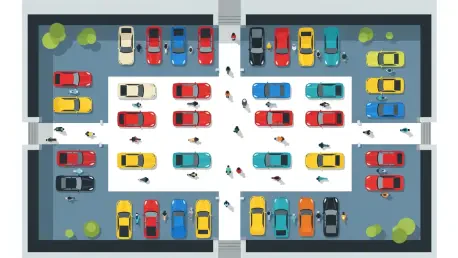
Scheduled for the peak of the summer season on July 26, the programming for the day is meticulously designed to be both visually striking and emotionally resonant for all attendees. One of the most anticipated features is the Rainbow Flag display, where vehicles of every conceivable color are carefully choreographed to form a massive Pride flag across the museum grounds. This spectacle serves as a powerful visual metaphor for unity and the collective strength of a diverse enthusiast base. Beyond the aesthetic displays, the event integrates full access to the museum’s collections and hosts awards ceremonies that recognize the human element of car ownership rather than just mechanical perfection. These segments celebrate the bond between driver and machine, highlighting stories of perseverance, identity, and joy. By blending the rich heritage of British motoring with contemporary movements for social progress, the event provides a multifaceted experience that bridges the gap between historical eras.
Beyond the immediate excitement of the festival day, the organizers established a lasting legacy through a dedicated philanthropic model that ensured long-term benefits for the community. A significant portion of the proceeds from ticket sales and sponsorships was earmarked for the museum’s educational initiatives and various LGBTQ+ charities. This commitment to social good demonstrated how modern live events could transcend simple entertainment to become powerful tools for community empowerment and advocacy. By investing in education, the festival helped to inspire the next generation of engineers and enthusiasts from all backgrounds, ensuring that the industry remained accessible to everyone. This focus on tangible outcomes moved the conversation beyond performative inclusivity toward actual systemic support. It provided a blueprint for how other major automotive gatherings could integrate social responsibility into their business models. The impact of the event was thus felt long after the engines were silenced.
The maturation of this event into a permanent fixture on the national automotive calendar indicated that the industry was finally ready to embrace a more inclusive and equitable future. By establishing a coalition model of sponsorship, the organizers encouraged major manufacturers and local businesses to take an active stand in supporting diversity. This shift in corporate engagement suggested that the path forward for the motoring world required a departure from silent observation toward active participation in social progress. Stakeholders realized that fostering a welcoming environment was not only a moral imperative but also a strategic necessity for reaching a broader audience. As the season progressed, the lessons learned from this collaborative approach provided actionable insights for future organizers seeking to build more diverse communities. The integration of identity and passion became a new benchmark, proving that when diverse voices were given a seat at the table, the entire culture benefited from a richer perspective.