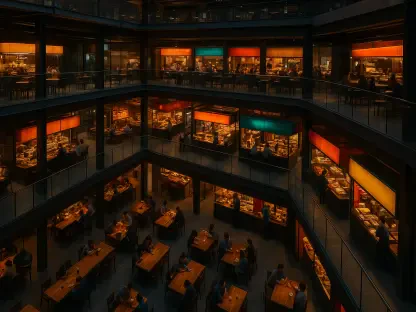

The collaborative mindset fostered at the event aims to elevate the collective appeal of Central Vietnam by blending leisure, heritage, and specialty tourism services. As the Da Nang International Tourism Festival 2026 gathers momentum, it represents more than a mere showcase; it is a structural transformation of how the region approaches the global travel market. By convening at the Ariyana Convention Centre this October, the industry has signaled a definitive end to the era of passive promotion, opting instead for a data-driven, business-centric ecosystem that prioritizes high-value transactions. This transition reflects a sophisticated understanding of modern traveler demands, where the emphasis is no longer just on visiting a location but on the quality of the engagement and the depth of the professional networks supporting it. Through the theme “Connecting Partners, Creating Future,” the event has successfully bridged the gap between local service providers and international high-capacity buyers, creating a fertile ground for sustainable economic development that transcends seasonal fluctuations. The atmosphere at the convention center is one of focused professionalism, where every interaction is designed to forge long-term alliances rather than short-term gains, positioning the city as a critical node in the international hospitality supply chain.
Global Scale: Expanding Market Horizons
The sheer volume of participation at the event underscores a profound demand for structured business interaction in the contemporary tourism landscape. More than 300 tourism service suppliers have converged to present a comprehensive portfolio of hospitality offerings, ranging from high-end luxury resorts to boutique urban hotels and specialized wellness retreats. This diversity ensures that the full spectrum of the travel industry is represented, allowing the region to cater to a wide array of international preferences. By providing a centralized venue for these suppliers, the festival has effectively created a one-stop shop for global distributors looking to tap into the unique cultural and natural assets of Central Vietnam. This concentration of expertise and resources has transformed the city into a vibrant marketplace where the focus remains squarely on professional exchange and the mutual exploration of market potential.
Complementing this supply side is a robust assembly of 550 buyers, including a significant international segment drawn from essential markets such as South Korea, Japan, China, India, and Singapore. The inclusion of these high-capacity representatives has facilitated over 7,000 business-to-business matching meetings, a metric that serves as the primary indicator of the event’s practical success. These meetings are not merely introductory; they are intensive, data-driven sessions where participants negotiate pricing structures, distribution rights, and collaborative marketing strategies. The presence of over 1,500 delegates further reinforces the festival’s status as a premier industry gathering, providing a level of networking density that is rarely seen in regional trade shows. This massive scale demonstrates that the industry has fully embraced the need for direct, substantive dialogue to navigate the complexities of modern travel distribution.
Strategic Evolution: Prioritizing High-Value Tourism
A central theme of the current discourse within the hospitality sector is the deliberate shift from volume-based metrics to a focus on high-value tourism. Industry veterans and local officials have reached a consensus that the long-term viability of the region depends on attracting visitors who seek deeper engagement and are willing to invest more in premium experiences. This strategic pivot moves away from simply tracking the number of arrivals and instead prioritizes extending the average length of stay and increasing per-capita spending. By targeting high-spending segments, such as luxury travelers and the professional MICE market, the region aims to build a more resilient and profitable tourism economy. This approach recognizes that sustainable growth is better achieved through quality and brand loyalty than through the pursuit of mass-market visitor spikes that can often strain local infrastructure and resources.
This policy shift is supported by substantial investments in air connectivity and the acceleration of digital infrastructure across the city. Strengthening international air routes ensures that high-value travelers have seamless access to the region, while digital transformation improves the efficiency of every touchpoint in the visitor journey. The goal is to create a frictionless experience that meets the rigorous standards expected by global travelers, from the moment of booking to the final departure. By aligning government support with private sector innovation, the city is fostering an environment where exceptional service and diverse offerings become the hallmark of the local brand. This commitment to quality ensures that the region remains competitive against other global destinations, solidifying its reputation as a sophisticated hub for both leisure and professional gatherings.
Digital Innovation: The Role of Integrated Platforms
The operational efficiency of the festival is largely attributed to the “Business & B2B Networking Space,” which utilizes a sophisticated digital platform to streamline professional interactions. This dedicated online tool allows participants to engage in pre-event screening, enabling buyers and sellers to vet each other’s capabilities and requirements before the physical event even begins. By moving the initial phases of discovery to a digital environment, the festival ensures that the 7,000 scheduled meetings are purposeful and productive. Participants arrive at the Ariyana Convention Centre with specific goals and data-backed proposals, which significantly reduces the time spent on incompatible pairings. This technological integration represents a major leap forward in trade show management, where data is used to optimize human interaction and maximize the potential for successful outcomes.
The use of this digital platform also provides real-time insights into market demands and distribution trends, allowing businesses to adjust their strategies on the fly. As buyers and sellers interact, the platform captures valuable information about emerging preferences and pricing expectations, which can be analyzed to forecast future industry movements. This level of technological sophistication is no longer an optional luxury but a fundamental necessity in a global market that moves at the speed of information. By integrating digital scheduling and profile matching into the core of the event, the organizers have created a template for future trade shows that prioritizes business intelligence and operational excellence. This approach ensures that the networking process is not just about making contacts, but about facilitating strategic alignment and informed decision-making.
Value Chains: The Power of Collaboration
Modern tourism success is increasingly dependent on the creation of integrated value chains rather than the performance of isolated services. This concept of the “integrated tourism product” has been a primary topic of discussion, highlighting the necessity for hotels, airlines, and local experience providers to work in concert. A collaborative mindset prevents the destructive internal price wars that often plague emerging destinations and instead focuses on elevating the collective appeal of the entire region. When various sectors of the industry collaborate, they can offer more comprehensive packages that blend leisure, heritage, and wellness services, providing a more compelling reason for travelers to choose Central Vietnam. This synergy is essential for handling large-scale international events, where logistics, catering, and accommodation must be perfectly synchronized to meet global expectations.
The festival has encouraged the formation of regional linkages that connect the coastal attractions of the city with the rich cultural heritage sites of nearby provinces. By coordinating these diverse offerings, the industry can present a unified front to international buyers, showcasing a variety of experiences within a single, accessible geographic area. This strategy of “developing markets together” ensures that the economic benefits of tourism are distributed more evenly across the region, supporting local communities and heritage conservation efforts. The focus on integrated value chains also allows for more creative product development, such as specialized tours that combine golf, high-end gastronomy, and spiritual retreats. This multifaceted approach makes the regional offering more resilient and attractive to a broader demographic of global travelers.
Formalized Growth: The Strategic Impact of Agreements
While the thousands of meetings held during the festival provided the initial spark for new business ventures, the signing of various Memoranda of Understanding (MOUs) has provided the necessary structure for long-term growth. These documents represent a move beyond initial networking and into the realm of concrete commercial commitments. By formalizing partnerships through MOUs, businesses can establish clear frameworks for co-creating specialized travel programs and gaining access to international distribution systems that might otherwise be difficult to penetrate. These agreements offer a level of stability and predictability that is vital for long-term planning and investment, ensuring that the momentum generated during the four-day event continues well into the future. The signing of these documents is a testament to the professional maturity of the local industry.
The true value of these strategic alliances lies in their ability to translate general interest into actual traveler flows and economic value. Industry leaders have emphasized that the success of these MOUs will be measured by the implementation of joint marketing campaigns, the organization of familiarization trips, and the eventual signing of commercial contracts. These formal agreements also facilitate knowledge exchange and the adoption of international best practices, helping local firms to level up their service standards and operational efficiency. By establishing a culture of accountability and formal cooperation, the participants in the festival have laid a solid foundation for the region’s continued evolution as a top-tier global destination. This move from conversation to commitment is a critical step in transforming destination potential into sustainable commercial success.
Future Directions: Sustaining Regional Excellence
The Da Nang International Tourism Festival 2026 successfully established a new benchmark for how trade events drive economic value and industry innovation. The event demonstrated that the city’s strategic position as a focal point for the region is not just a matter of geography but a result of deliberate professional alignment. Businesses moved away from competitive isolation and toward a model of shared visitor sources and integrated product development, which significantly boosted the collective bargaining power of the region in the global market. Actionable steps identified during the sessions included the immediate implementation of digital management tools for local operators and the expansion of multi-province travel itineraries. These initiatives were designed to ensure that the city remains an attractive “hub” where international buyers can access a vast variety of high-quality Vietnamese products in a single, efficient location.
Moving forward, the industry prioritized the continuous monitoring of the agreements signed during the festival to ensure they translated into tangible results for the local economy. Stakeholders recognized that maintaining the city’s status as a world-class meeting point required ongoing investment in both physical infrastructure and human capital. Future considerations involve the creation of a year-round digital networking platform that keeps the B2B community connected beyond the physical dates of the festival. This would allow for a constant flow of information and a more agile response to shifting global travel trends. By fostering this permanent ecosystem of professional exchange, the region positioned itself to navigate the challenges of the late 2020s with confidence. The legacy of the event was a revitalized mindset that valued long-term professional partnerships and quality-driven growth above all else.