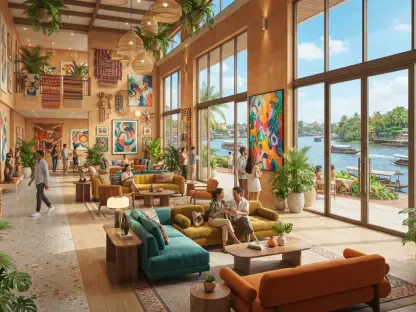

Giorgio Armani’s minimalist design philosophy has been successfully translated into high-rise hospitality developments in both Dubai and Milan. This strategic pivot represents a broader seismic shift where the world’s most prestigious fashion houses are trading the temporary thrill of the runway for the enduring permanence of the luxury hotel lobby. For decades, the high-end travel market was anchored by a predictable, palatial aesthetic defined by heavy marble and gilded accents. However, the contemporary landscape has evolved, driven by a new generation of travelers who value narrative and identity over generic opulence. These couture icons have identified a critical gap in the market for what is now termed “evolved luxury.” By embedding their specific brand DNA into every aspect of a guest’s stay—from the thread count of the linens to the ambient scent—they are creating holistic lifestyle environments. This movement represents a fundamental evolution in how brands interact with their clientele, turning a retail relationship into a multi-sensory immersion.
The Pioneers and Growth of Designer Stays
Trailblazers: The Rise of Fashion Hotels
The integration of high fashion into the hospitality sector began in earnest with Versace, which pioneered the concept by opening a property in Queensland, Australia. This bold move proved that the exuberant Italian aesthetic—characterized by bold prints and Mediterranean flair—could be successfully translated into a comprehensive hotel product. This early success laid the groundwork for significant expansions into major international hubs such as Dubai and Macau, demonstrating that fashion-branded hospitality has a global appeal that transcends regional borders. Unlike traditional hotel chains, these properties offer a specific aesthetic vision that resonates with fans of the brand’s sartorial output. The longevity of these properties suggests that the fashion-hospitality nexus is not a passing fad but a sustainable business model. By providing a physical space for fans to inhabit, the house of Versace effectively transformed its brand from a seasonal clothing line into a permanent lifestyle destination for the ultra-wealthy.
Strategic Partnerships: The Bulgari Model
Following the trailblazing path set by earlier houses, Bulgari entered the market through a highly strategic partnership with Marriott International. This collaboration was particularly significant because it allowed the jewelry house to master the complex operational nuances of the hospitality industry while maintaining its uncompromising luxury heritage. By combining Bulgari’s design language with Marriott’s logistical expertise, the brand has built a massive global footprint that continues to expand aggressively as of 2026. The expansion pipeline is currently robust, with new projects scheduled to debut in destinations like Tokyo and Miami Beach through 2028 and 2029. This model of partnering with established hotel operators has become a gold standard for other brands looking to enter the space without the risks associated with independent management. It ensures that high-design elements are backed by world-class service, creating a seamless experience that reinforces the brand’s prestige.
Diverse Business Models in Branded Hospitality
Design Philosophies: From Suites to Hideaways
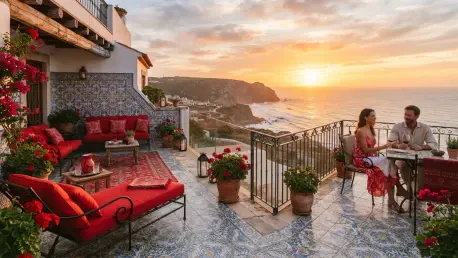
Fashion brands employ varied strategies when entering the hospitality space, ranging from corporate minimalism to deeply personal boutique experiences. Armani, for example, focuses on a disciplined, modern aesthetic that mirrors the clean lines of his tailoring in landmarks like the Burj Khalifa. In contrast, Christian Louboutin’s foray into the sector via a 13-room property in Portugal offers a more intimate and maximalist touch. Known as Vermelho Melides, this boutique hideaway functions as a direct extension of the designer’s private taste and personal lifestyle, featuring red-hued accents and deep integration with local Alentejo culture. This diversity in business models allows the industry to cater to different segments of the luxury market. While some travelers prefer the reliable elegance of a major metropolitan hotel, others seek the artisanal exclusivity of a boutique retreat. Both approaches demonstrate that the designer’s creative vision is the primary draw for modern luxury travelers.
New Horizons: Collaborations and Residences
The latest frontier in this trend is the massive move into branded real estate, exemplified by Karl Lagerfeld’s significant residential projects. These developments represent a shift toward fully managed fashion-branded living spaces, allowing the most dedicated clients to reside permanently within the brand’s curated universe. Projects like the residences in Lisbon and the beachfront development on Al Marjan Island indicate that the demand for fashion-branded environments extends far beyond a typical hotel stay. These residential projects offer a lifestyle package that includes high-design interiors, exclusive amenities, and a level of prestige that traditional real estate often lacks. For the brands, this represents a significant diversification of revenue and a long-term play in the real estate market. By selling a “branded lifestyle,” fashion houses are moving into a space where they can influence every aspect of a client’s daily life, from their home architecture to their leisure activities.
Strategic Drivers Behind the Fashion-Hospitality Nexus
Economic Evolution: Identity and Experiential Revenue
The primary driver behind this trend is the shared nature of fashion and hospitality as businesses of identity. By allowing guests to “sleep inside the brand,” fashion houses foster a level of customer loyalty that retail alone cannot achieve. This shift also reflects a change in consumer behavior, as younger luxury travelers increasingly prioritize high-end experiences over the acquisition of physical goods. Hospitality provides a platform for capturing “experiential revenue,” capturing spend that would otherwise go to traditional hotel groups while simultaneously reinforcing the brand’s core prestige. These properties often serve as living showrooms, where guests interact with the brand’s home collections in a functional setting. This cross-promotional potential is immense, as guests who enjoy the decor in their suite are more likely to purchase those items for their homes. Thus, the move into hospitality is a calculated financial strategy that leverages existing brand equity.
Future Perspectives: Maintaining Integrity and Authenticity
The transition from couture to check-in proved to be more than a temporary marketing gimmick; it established a fundamental shift in how luxury houses interacted with their global clientele. As brands looked for new ways to extend their storytelling, hospitality offered a unique platform to showcase a holistic lifestyle that retail could not replicate. The industry learned that success depended on the ability to create entire worlds for customers to inhabit, rather than just selling products. Forward-thinking executives realized that the future of luxury was tied to the creation of these multi-sensory environments that offered a deeper sense of belonging. The growing pipeline of projects suggested that the presence of fashion houses in the hospitality sector would only intensify, further blurring the lines between what consumers wore and where they chose to stay. Ultimately, the brands that succeeded were those that treated hospitality as a core pillar of their identity, ensuring that the legacy of the house was preserved.