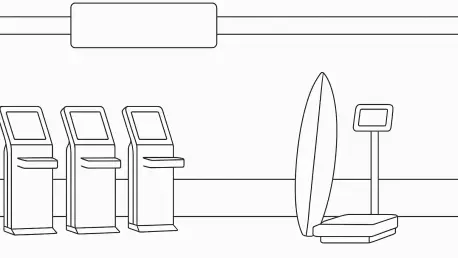

The primary focus of the terminal upgrade is the deployment of technology that speeds up the check-in process while maintaining high standards of service. This initiative marks a pivotal milestone in a larger modernization project intended to transform how thousands of travelers navigate the gateway to one of the most iconic coastal regions in the country. By integrating 18 automated kiosks and 10 bag drop units, the facility significantly reduces the traditional friction associated with peak-hour travel, ensuring that the transition from entrance to gate remains fluid. The hall is not merely a functional expansion but a strategic shift toward a decentralized passenger handling model that addresses the logistical challenges of rising visitor numbers. By utilizing every square foot of the terminal more effectively than ever before, the airport has created a blueprint for modern aviation in regional hubs. This evolution demonstrates a clear commitment to leveraging automation to improve the overall passenger experience and operational reliability.
Advancing Operational Fluidity Through Automation
The Efficiency: Universal Check-In Systems
Central to this technological transformation is the implementation of a “common-use” framework, a departure from the traditional model where specific counters were permanently assigned to individual airlines. In this new hall, the kiosks and bag drops are agnostic to the carrier, allowing a passenger flying with any supported airline to print tags and check luggage at any available station. This flexibility is powered by Elenium Automation software, which optimizes terminal space by preventing bottlenecks that occur when one airline experiences a peak while others remain idle. The hardware includes specialized units for oversized luggage, ensuring that the diverse needs of coastal travelers—carrying surfboards, golf clubs, or bulky holiday gear—are met with the same efficiency as standard commuters. By removing the physical barriers between different airline operations, the airport has effectively increased its processing capacity without the need for a massive increase in physical floor space, showcasing a lean approach to regional infrastructure management.
Operational Impact: Optimizing Passenger Throughput
While the integration of advanced automation provides the backbone for this upgrade, the human element remains a critical component of the operational strategy to maintain service quality. Airport leadership, including General Manager of Operations Kate McCreery-Carr, emphasized that the goal is to make the journey “frictionless” rather than completely devoid of personal interaction. Airline staff have been repositioned from behind heavy desks to the floor of the check-in hall, where they act as floor walkers to assist travelers navigating the self-service systems for the first time. This hybrid approach ensures that while the majority of passengers enjoy the speed of automated processing, those with complex needs or technical difficulties still receive high-touch support. The reduction in queue times has allowed staff to focus on solving unique passenger issues rather than performing repetitive data entry tasks. This redistribution of labor creates a more inviting atmosphere where technology empowers the traveler without sacrificing the hospitality the region is known for.
Future-Proofing Regional Infrastructure and Design
Scalability: Managing Growth Through 2028
Looking at the broader industry landscape, the Sunshine Coast Airport serves as a case study for the evolution toward digital-first environments that emphasize scalability and long-term flexibility. Aaron Hornlimann, CEO of Elenium Automation, noted that the current installation was designed to adapt to varying operational needs and passenger volumes expected from 2026 to 2028. This forward-thinking design philosophy extends beyond the machines themselves to the physical aesthetic of the hall, which has been updated to provide a modern and welcoming environment. The move away from utilitarian, high-pressure designs toward a more open and visually pleasant space reflects a global trend where airports are viewed as integral parts of the travel experience rather than mere transit points. By using modular technology that can be updated or expanded with minimal disruption, the airport has positioned itself to handle future surges in tourism and business travel. This strategy ensures that the facility remains a relevant and efficient regional hub in an increasingly competitive aviation market.
Strategic Integration: Actionable Insights for Terminal Management
The successful synthesis of these upgrades demonstrated that investing in sophisticated automation was the primary driver for achieving both regional growth and high traveler satisfaction. To capitalize on this progress, regional authorities prioritized the integration of real-time data analytics to monitor passenger flow, which allowed for even more precise adjustments to terminal staffing levels. Strategic planners also focused on expanding the digital-first model to other touchpoints, such as security screening and boarding processes, to ensure consistency throughout the entire departure journey. These actions provided a clear pathway for other regional airports to modernize their facilities without necessitating prohibitive capital expenditures. The project ultimately proved that technological innovation, when combined with a passenger-centric design, could effectively future-proof infrastructure against the logistical challenges of a growing population. By maintaining a focus on intuitive navigation and operational flexibility, the airport established a sustainable model for future development that balanced high-tech efficiency with localized service standards.