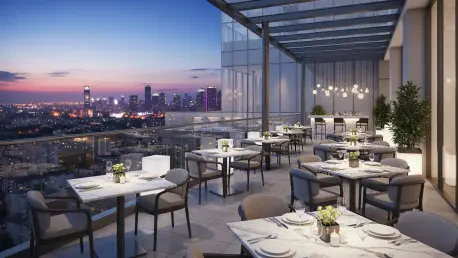

Travelers searching for high-end accommodations near the bustling Metro Manila corridor are increasingly looking toward the eastern hills where the traditional garment capital of the Philippines has undergone a significant transformation. Once recognized primarily for its vibrant markets and textile industry, Taytay, Rizal, has successfully pivoted toward a more diverse economic landscape that caters to affluent tourists and business executives alike. This shift is exemplified by the emergence of premier lodging options that prioritize international standards while maintaining a deep connection to the local community. The Monaco Hotel stands as a testament to this evolution, offering a sophisticated sanctuary that bridges the gap between urban convenience and provincial tranquility. As the metropolitan sprawl continues to expand, the demand for high-tier hospitality in the periphery has surged, leading to innovative developments that redefine what it means to experience luxury outside the traditional central business districts.
Architectural Grandeur and Modern Interior Aesthetics
The facade of the establishment immediately conveys a sense of timeless elegance, drawing inspiration from European coastal architecture while integrating organic elements native to the Rizal province. Large glass panels allow natural light to flood the expansive lobby, creating a seamless transition between the manicured outdoor landscapes and the meticulously curated interiors. Designers utilized locally sourced woodwork and stone, ensuring that the structure does not feel out of place but rather serves as a refined extension of the surrounding topography. High ceilings and minimalist decor emphasize a feeling of openness, which is a rare commodity in the densely populated regions of Greater Manila. This architectural philosophy extends to the communal areas, where the focus remains on providing a serene environment that encourages relaxation without sacrificing the professional utility required by corporate travelers. The result is a balanced aesthetic that appeals to a broad demographic of visitors.
Within the guest suites, the commitment to modern luxury is evident through the implementation of advanced integrated building management systems that allow for personalized environmental control. These technological advancements enable visitors to adjust lighting, temperature, and even the opacity of window treatments through intuitive touch interfaces or voice-activated commands. The furniture selection favors ergonomic design, ensuring that whether a guest is there for leisure or a remote work assignment, their physical comfort is never compromised. High-thread-count linens and premium acoustic insulation further enhance the sense of seclusion, effectively muting the external noise of the developing municipality. Attention to detail is visible in the bespoke artwork adorning the walls, which features local artists and highlights the cultural heritage of the region. By merging high-tech functionality with high-touch hospitality, the property ensures that every stay is tailored to the specific needs and preferences of the traveler.
Gastronomic Innovation and Strategic Wellness Initiatives
The dining facilities within the hotel have established a new benchmark for culinary excellence in the region, focusing on a farm-to-table philosophy that utilizes the abundant produce of Rizal. The signature restaurant features a menu that artfully combines traditional Filipino flavors with contemporary international techniques, resulting in dishes that are both familiar and groundbreaking. Specialized degustation menus are designed to take guests on a sensory journey, pairing local ingredients like cashew and seasonal fruits with premium imported meats and seafood. This focus on gastronomy serves as a major draw for food enthusiasts who are willing to travel beyond the city limits for a unique epicurean experience. Furthermore, the bar and lounge areas provide a sophisticated setting for evening social gatherings or informal business meetings, offering a curated selection of global wines and craft cocktails. This holistic approach to food and beverage ensures that the property remains a central hub for social life.
The development of the hotel provided a clear blueprint for how hospitality projects successfully balanced economic growth with sustainable practices and community engagement. Stakeholders prioritized the installation of gray-water recycling systems and solar energy arrays, which significantly reduced the operational carbon footprint while maintaining high service standards. Investors recognized that long-term viability depended on integrating these green technologies into the core infrastructure rather than treating them as optional add-ons. From 2026 to 2030, the strategic plan prioritized expanding wellness programs that incorporated the natural beauty of the Rizal highlands, such as guided meditation tours and specialized spa treatments using indigenous botanicals. These initiatives offered a roadmap for other regional developers to follow, emphasizing that luxury was no longer just about opulence but also about ecological responsibility and holistic health. The property demonstrated that by investing in local talent, a destination effectively future-proofed its operations.