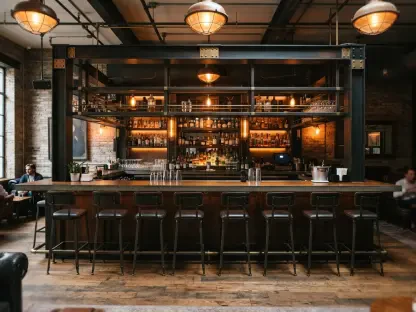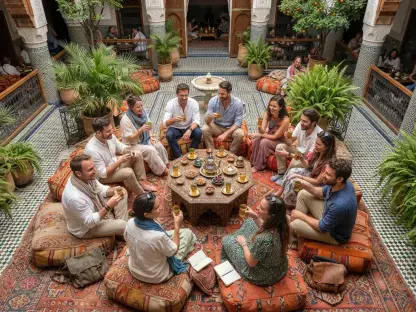

Rather than relying on generic modern furnishings, the property integrates retro yellow cuckoo clocks and record players to encourage a slower and more intentional guest experience. Situated in the prestigious Langham Place district near Oxford Circus, this high-rise sanctuary serves as a rebuttal to the idea that luxury hospitality must inevitably leave a heavy environmental footprint. In the current landscape of 2026, where travelers are increasingly skeptical of corporate greenwashing, the Treehouse Hotel London has distinguished itself by securing the rigorous Green Key certification. This international standard requires a transparent and empirical commitment to sustainability that few urban properties can match. By blending a nostalgic, whimsical atmosphere with a sophisticated circular mindset, the hotel offers a tangible blueprint for modern hospitality. It manages to balance the high expectations of a metropolitan elite with a genuine dedication to environmental ethics, proving that a hotel can be both a lush retreat and a responsible corporate citizen in one of the world’s busiest commercial hubs.
Data Driven Sustainability and Circular Design
The hotel’s approach to environmental stewardship is rooted in a disciplined, data-driven strategy rather than mere aesthetic choices. A dedicated internal Green Team manages a comprehensive zero-waste program that utilizes sophisticated tracking software to monitor and analyze every material entering and leaving the building. This high-tech oversight allows the staff to intervene in waste streams before they reach landfills, ensuring a level of accountability that is rare in large-scale urban operations. Guests experience this philosophy through practical, everyday features that have been seamlessly integrated into the high-end stay. For example, water refill stations are strategically placed on every floor to eliminate the need for single-use plastic bottles, while refillable glass toiletry containers have replaced traditional miniature plastic versions. These interventions are part of a broader effort to reduce the operational carbon footprint without compromising the quality of service.
Beyond waste management, the property embraces a circular economy by prioritizing upcycled materials and vintage furniture over new, mass-produced items. This commitment to pre-owned sophistication ensures that the interiors possess a distinct personality and history that brand-new furnishings cannot replicate. The aesthetic narrative is often described as a jungle-in-the-sky, where public spaces are transformed into vibrant oases through the use of cascading foliage and organic textures. Large-scale indoor greenery serves as a natural contrast to the steel and glass of the surrounding metropolitan skyline, creating a biophilic environment that has been shown to reduce stress and improve air quality. By repurposing old linens into secondary products and sourcing artifacts from local markets, the hotel reduces the demand for new resource extraction. This model demonstrates that a high-rise building can function as a living ecosystem where every design choice serves both an aesthetic and an ecological purpose.
Architectural Innovation and Guest Privacy
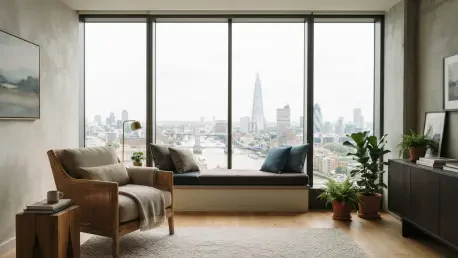
A masterclass in urban functionality is found within the guest accommodations, particularly the Studio Suites, which address the unique challenges of living near the bustling Oxford Circus. The architectural design employs a cocoon concept for the sleeping areas, which are strategically positioned to provide total isolation from the persistent street noise of central London. This acoustic engineering ensures that the guest experience remains serene despite the hotel’s location directly opposite major broadcasting offices and commercial thoroughfares. The suites are divided into distinct zones, balancing bright lounge areas with these quiet sleeping quarters. Large window seats allow guests to observe the city’s frantic pace from a position of detached comfort, while the inner sleeping areas provide a dark, silent environment conducive to high-quality rest. This structural duality allows the hotel to serve as both a high-energy social hub and a private sanctuary, catering to the diverse needs of modern international travelers.
The attention to detail extends to the integration of nostalgic technology and artisanal touches that elevate the standard room experience. Each room features a vintage record player accompanied by a curated selection of vinyl, encouraging guests to engage with music in a tactile and focused manner rather than as background digital noise. These analog elements are paired with modern conveniences, such as high-end Nespresso machines and bedside charging ports, ensuring that the retro aesthetic never hinders practical utility. Small, domestic gestures like providing handmade cookies as a welcome gift reinforce the feeling of being in a home rather than a commercial establishment. Furthermore, the inclusion of durable rattan chairs, globe atlases, and storm lanterns creates a curated, collected look that feels authentic. This design strategy moves away from the sterile, cookie-cutter approach of traditional luxury chains, opting instead for a layered environment that values character and artisanal craftsmanship over mass-produced luxury goods.
Culinary Innovation and Community Engagement
Culinary standards at the property have been redefined to prioritize plant-forward innovation and social inclusivity. Madera, the flagship Mexican restaurant, serves as a primary example of how high-end dining can transition toward a more sustainable, less resource-heavy model. The menu emphasizes creative vegetarian and vegan dishes, such as wild mushroom enchiladas and cauliflower tacos, which challenge the traditional reliance on high-impact animal proteins. This shift reflects a broader trend in 2026 where discerning diners seek out flavors that align with their ethical values. For guests looking for a social atmosphere, the rooftop lounge known as The Nest provides a 360-degree wraparound terrace with cinematic views of the city lights. This space functions as the hotel’s social heart, where the jungle theme is maintained through dense foliage and floor-to-ceiling glass. The integration of live DJs and themed dining experiences like Afternoon Te-Quila ensures that the commitment to sustainability does not come at the expense of a vibrant nightlife.
In reviewing the operational model, several key takeaways emerged for the broader hospitality sector. The hotel successfully integrated wellness and seasonal strategy into its environmental mission by forming partnerships with local fitness centers rather than constructing resource-intensive spas. During the recent holiday periods, the management shifted focus from consumption to participation by hosting upcycling workshops led by local sustainability artists. These sessions allowed guests to create artisanal goods from repurposed materials, effectively reducing festive waste. Moving forward, developers should look to this property as evidence that certifications like Green Key provide a necessary framework for authentic growth. The strategy showed that urban hotels could achieve luxury status by focusing on biophilic design and circular resource management. It was concluded that the industry must prioritize transparency and data-driven waste tracking to meet the evolving expectations of global travelers. By adopting these methods, future projects realized that they could harmonize commercial success with a genuine respect for the environment.