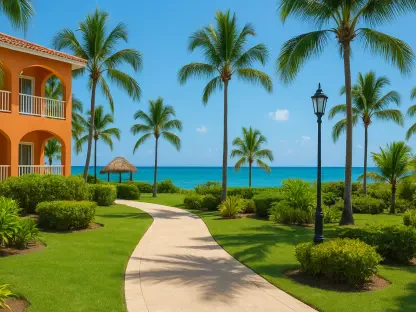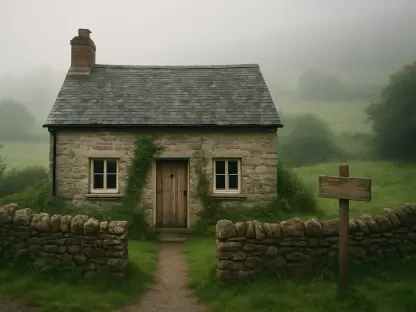

The transition from the Mediterranean coast to the Anatolian interior is marked by the apple orchards surrounding Lake Eğirdir, the fourth-largest lake in the country. This region serves as a gateway to a broader philosophy known as slow travel, which prioritizes meaningful interaction over the frantic pace of modern tourism. In 2026, the movement has matured into a sophisticated network of twenty-nine “Cittaslow” towns that protect Türkiye’s cultural soul from the homogenizing effects of global urbanization. These communities have successfully resisted the pressure to convert every historical asset into a high-turnover attraction, instead choosing to focus on organic agriculture and the preservation of ancient ruins. Visitors are invited to experience an intentional way of living where the clock is secondary to the quality of the moment. By moving away from the crowded metropolises, travelers find themselves in environments where local craftsmanship and traditional culinary arts are daily realities rather than performances designed for a passing audience.
Coastal Heritage: Architecture and Tradition in the Aegean
Seferihisar holds the distinction of being the first town in Türkiye to embrace the slow city designation, setting a precedent for environmental stewardship and heritage conservation. The town is defined by its extensive tangerine orchards and weekly organic markets where the local economy revolves around seasonal harvests rather than mass-produced goods. This agricultural depth is complemented by the presence of the ancient city of Teos, where visitors can wander through Hellenistic ruins that remain integrated into the functional landscape. The Teos Vineyard Route and the Ionian Route further enhance this experience, allowing for a deep exploration of the region’s viticulture and historical significance. In this setting, the preservation of the past is not a static museum project but a living component of the modern community. The intentional pace of life ensures that the unique character of the Aegean coast remains intact, offering a sanctuary for those who value authenticity over the rapid expansion seen in larger coastal resorts.
Further south along the Gulf of Gökova, the town of Akyaka illustrates the profound impact of architectural integrity on the slow travel experience. The town is widely celebrated for its unique aesthetic, which honors 18th-century Ottoman-era designs through the use of intricate woodwork, white-washed walls, and tiled roofs. This cohesive visual identity was largely championed by the architect Nail Çakırhan, who sought to harmonize the built environment with the surrounding natural beauty. The Azmak River, which winds through the town, serves as a protected ecological zone where low-impact activities like bird-watching and quiet boat rides are the primary forms of entertainment. By restricting noise pollution and motorized traffic in sensitive areas, Akyaka has managed to preserve a tranquil atmosphere that feels distinctly disconnected from the industrial pace of the modern world. This focus on harmony between human habitation and the ecosystem represents the core values of the slow movement, proving that sustainable development can be both beautiful and functional.
Rugged Serenity: The Mountainous Landscapes of the North
The Black Sea region offers a different perspective on tranquility, characterized by the high mountains and dense forests of Şavşat. Located near the border with Georgia, this slow city is a sanctuary of geographical contrast where 9th-century castle ruins are hidden within vast stands of conifer and chestnut trees. The sensory experience of Şavşat is particularly intense during the autumn months, when the foliage transforms into a mosaic of deep gold and vibrant crimson, attracting photographers and nature enthusiasts who seek a reflective environment. Unlike the high-energy tourism found in major cities, the appeal of Şavşat lies in its rugged isolation and the quiet dignity of its mountain culture. The local population maintains a lifestyle deeply connected to the seasonal cycles of the earth, ensuring that traditional forestry and high-altitude farming remain viable. For the traveler, this region provides an opportunity to disconnect from digital distractions and immerse oneself in a landscape where the primary sounds are the rustle of leaves and the distant calls of native wildlife.
On the central coast of the Black Sea, Gerze has earned a reputation as one of the happiest places in the country due to its commitment to community-based slow living. The town’s identity is inextricably linked to traditional craftsmanship, particularly the production of hand-carved wooden toys and a robust fishing industry that dates back to 1400 BCE. This historical longevity is balanced by a modern infrastructure that supports soft adventures like paragliding from Yelken Tepe, offering a unique vantage point over the turquoise waters. In contrast, the town of Vize represents the western tip of the region’s slow movement, providing a deep dive into Thracian and Roman military history through its well-preserved fortress walls and ancient water systems. Both towns emphasize the importance of local industry over globalized retail, encouraging visitors to support small-scale producers and artisans. By prioritizing these local connections, travelers contribute to a sustainable economic model that protects the cultural heritage of the northern coast while providing a genuine and enriching experience.
Inland Legacies: The Quiet Waters of the Anatolian Plateau
Moving toward the heart of the Anatolian plateau, the focus shifts to the expansive lake systems that define the interior’s peaceful character. Lake Eğirdir is central to this narrative, offering a serene environment where the town of Eğirdir connects to the historic islands of Can Ada and Yeşil Ada. These islands provide a rare window into the Eastern Roman and Rum architectural past, with stone houses and narrow alleys that have remained largely unchanged for generations. The culinary aspect of slow travel is particularly prominent here, as local restaurants focus on freshwater delicacies such as lake bass and eel, caught using sustainable methods. This emphasis on local sourcing and slow dining allows visitors to appreciate the nuances of the region’s geography through its flavors. The lakeside vista, rather than the quick turnover of customers, dictates the pace of the meal, fostering a sense of community between the traveler and the host. This inland journey highlights the resilience of Anatolian traditions, showing that the country’s most profound cultural treasures are often found far from the coastline.
The exploration of Türkiye’s slow cities culminated in the town of Ahlat on the shores of Lake Van, where history and nature converged to create a unique archaeological landscape. This location served as a vital repository of Neolithic caves and the expansive Ahlat Seljuk Cemetery, which stood as the largest Turkish-Islamic burial ground in existence. Travelers who visited these sites found that slow travel functioned as an intellectual bridge, allowing for a deep engagement with the civilizations that shaped the region. To maintain this momentum, stakeholders were encouraged to prioritize the restoration of minor historical sites and the expansion of organic certification for local farmers. Future travelers should seek out designated Cittaslow hubs to ensure their economic contributions supported local artisans rather than international conglomerates. By adopting this intentional approach, the tourism industry successfully shifted focus toward long-term sustainability and cultural integrity. The legacy of these slow cities proved that protecting local identity was the most effective strategy for ensuring the survival of heritage in an increasingly connected world.