
The Future Fund Oman has been allocated OMR 2 billion for the period of 2026 to 2028 to bankroll innovative projects and stimulate private-sector growth. This massive injection of capital signals a decisive shift in the Sultanate’s economic trajectory as it maneuvers away from a historical reliance on oil and gas towards a more diversified and resilient future. Guided by the strategic imperatives of Vision 2040, the nation is meticulously blending its deep-rooted cultural heritage with sophisticated industrial ambitions to secure a prominent spot on the global stage. By positioning itself as a stable and forward-thinking state, Oman is successfully bridging the gap between its ancient traditions and a high-tech, sustainable reality that appeals to both international travelers and global investors. The government’s approach remains rooted in authenticity, ensuring that the rapid modernization does not eclipse the traditional values that define the Omani identity in an increasingly homogenized world.
Preserving the Soul of ArabiThe Tourism Evolution
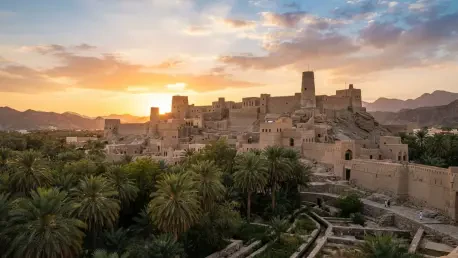
The capital city of Muscat serves as a sophisticated gateway, balancing maritime history with contemporary infrastructure, while the city of Nizwa offers a window into the past. Unlike its regional neighbors that have embraced hyper-modern skylines of steel and glass, Oman has opted for a more grounded approach that emphasizes desert charm and architectural authenticity. Nizwa remains a living museum where traditional livestock markets and ancient forts, such as the UNESCO-listed Bahla Fort, showcase the country’s defensive history and craftsmanship. These urban and cultural hubs are central to the nation’s appeal, providing an authentic experience that highlights the enduring vibrancy of Omani life. The preservation of low-rise buildings and traditional motifs ensures that the aesthetic remains unique. This deliberate design philosophy attracts a specific demographic of high-value travelers who prioritize cultural immersion and historical depth over artificial luxury.
Beyond the bustling urban centers, the rugged terrain of Al Jabal Al Akhdar has emerged as a premier destination for eco-luxury tourism, situated high above sea level in a cool, temperate climate. This region is world-renowned for its artisanal rose water production and the ancient falaj irrigation systems that still sustain terraced farms growing pomegranates and walnuts. Furthermore, the seasonal khareef monsoon in Salalah transforms the southern landscape into a verdant paradise, offering a unique climatic escape that attracts international visitors seeking natural beauty and seasonal variety. The contrast between the sun-drenched dunes of the Wahiba Sands and the misty green mountains of Dhofar provides a diverse portfolio of natural attractions. This geographical variety is being leveraged to create a year-round tourism calendar, reducing the industry’s susceptibility to seasonal fluctuations and providing a stable source of income for rural communities throughout the Sultanate.
Driving Economic Growth: The Vision 2040 Framework
To fuel its economic ambitions, the government has established a streamlined investment climate designed to attract foreign direct investment across multiple high-priority sectors. Through the Invest Oman portal, the nation provides a centralized one-stop-shop for high-value projects, offering incentives like 100% foreign ownership and tax exemptions that can last up to three decades. These structural reforms are intended to foster a knowledge-driven economy and stimulate private-sector growth on a global scale. By reducing bureaucratic hurdles and offering long-term residency permits to significant investors, Oman is competing aggressively with other emerging markets for capital. This proactive stance is reflected in the rising number of international firms establishing regional headquarters in Muscat. The focus is not merely on attracting funds but on ensuring that these investments contribute to local talent development and long-term economic stability through technology transfer.
A significant pillar of this new economic strategy is a dedicated commitment to environmental sustainability and a net-zero emissions target by 2050. Oman is positioning itself as a regional leader in green hydrogen and green steel production, utilizing its abundant solar and wind resources to power industrial growth. This shift not only addresses global climate concerns but also appeals to international manufacturers looking for low-carbon production environments to satisfy global environmental, social, and governance requirements. Large-scale renewable energy projects are currently under development in regions like Duqm, which is slated to become a global hub for clean energy exports. By integrating sustainability into its industrial core, the Sultanate is future-proofing its economy against the global energy transition. This transition is supported by partnerships with international energy giants, ensuring that the nation remains at the forefront of the technological race to decarbonize heavy industry.
Strategic Assets: Logistics and Financial Foundations
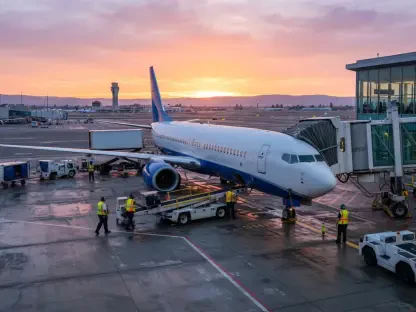
Oman’s geographic location at the intersection of major trade routes between Asia, Africa, and the Middle East is a vital component of its logistics strategy. The development of deep-water ports and special economic zones, supported by free trade agreements with the United States and Singapore, enhances its role as a global distribution hub. Additionally, the nation is tapping into its rich natural resources, including copper, marble, and limestone, to build a more robust and diversified manufacturing base. The Port of Salalah and the Port of Duqm are strategically positioned outside the Strait of Hormuz, providing a secure and efficient alternative for international shipping lines. This logistical advantage is being coupled with investments in multi-modal transport networks, including rail and road expansions, to connect coastal ports with the inland industrial heartlands. These efforts are transforming the Sultanate into a critical node in the global supply chain, attracting logistics giants.
The successful integration of these diverse sectors established a clear path forward for the Sultanate as it moved toward the latter half of the decade. Policymakers recognized that the synergy between heritage tourism and high-tech industry provided a unique stability that few other nations could replicate. Moving forward, the focus shifted toward the continuous refinement of the regulatory framework to ensure that the business environment remained competitive and transparent. Stakeholders were encouraged to prioritize digital transformation and AI integration within the logistics and energy sectors to further enhance operational efficiency. By maintaining a balance between aggressive economic expansion and cultural preservation, Oman solidified its reputation as a reliable partner for global investors. The billion-rial investments served as the foundation for a sustainable ecosystem that benefited both the local populace and the international community, ensuring that the nation’s vision was realized.